
How a Thoughtful Landscape Design Can Increase Your Home’s Value
January 29, 2026
A well-designed landscape does more than provide aesthetic appeal; it plays a pivotal role in defining the overall value of a property. As homeowners increasingly recognize the importance of outdoor living spaces, the demand for thoughtfully curated landscapes has risen. Beyond the visual impact, landscape design can influence how potential buyers perceive a home’s overall care and maintenance. From curb appeal to functional outdoor areas, a strategic approach to landscaping creates a positive first impression that extends far beyond the front yard.
Investing in a thoughtfully planned landscape also enhances lifestyle quality, making outdoor spaces more usable, comfortable, and visually engaging. Elements such as outdoor lighting, pathways, water features, and seasonal plantings contribute to an environment that is both inviting and functional. Studies consistently show that homes with professionally designed landscapes often sell faster and at higher prices compared to properties with neglected or generic yards. For homeowners looking to maximize return on investment, understanding the principles and benefits of landscape design is critical. This blog explores actionable strategies and expert insights on how intentional landscaping can elevate property value, transform outdoor spaces, and provide lasting benefits for homeowners.
1. Enhancing Curb Appeal to Maximize First Impressions
The Importance of Curb Appeal
Curb appeal is the initial visual impression a property makes on visitors, neighbors, and prospective buyers. A clean, well-maintained, and thoughtfully arranged exterior signals that the home is cared for, which can directly influence a buyer’s perception of the property’s value. Landscaping contributes significantly to curb appeal by creating a welcoming, attractive environment. Features such as manicured lawns, trimmed hedges, and vibrant seasonal plants provide visual harmony and enhance the home’s overall aesthetic.
Strategic Plant Selection
Choosing the right plants for your landscape is essential. Native plants, perennials, and low-maintenance shrubs offer durability and sustainability, reducing long-term maintenance costs while providing consistent visual appeal. For example, a front yard featuring a mix of flowering shrubs and evergreen plants ensures color and structure year-round. Incorporating accent plants along pathways or near entrances guides visitors’ attention toward key architectural elements, enhancing the overall perception of the property.
Functional Design Elements
Curb appeal is not solely about appearance; functionality plays a critical role. Walkways, driveways, and entry steps should be designed to accommodate safe and convenient access. Thoughtful placement of lighting along pathways and near entrances increases both safety and aesthetic appeal, particularly during evening hours. Incorporating these elements demonstrates a comprehensive design approach, signaling to potential buyers that the property is both beautiful and practical.
2. Strategic Outdoor Living Spaces
Creating Usable Spaces
Outdoor living areas, such as patios, decks, and pergolas, extend the functional footprint of a home, offering spaces for relaxation, entertainment, and family activities. Well-planned outdoor spaces can create a seamless transition between indoor and outdoor living, which has become increasingly desirable in modern homes. A backyard designed for leisure or entertaining not only enhances lifestyle quality but also increases perceived property value.
Integrating Water Features
Water features like ponds, fountains, or small streams add an element of tranquility and luxury to a landscape. Properly designed water features act as focal points while promoting a sense of calm and relaxation. For example, a small backyard pond surrounded by lush greenery and soft lighting can create a visually striking and serene retreat. Such features, when professionally installed, are often considered high-value upgrades by homebuyers.
Multi-Functional Zones
Creating distinct zones within a landscape allows homeowners to maximize the utility of outdoor areas. Dining spaces, fire pits, gardens, and play areas should be integrated seamlessly to provide flexibility for various activities. For instance, a patio area adjacent to a kitchen door encourages indoor-outdoor flow, while a separate garden area enhances aesthetic appeal. Thoughtful zoning demonstrates intentional design, which can positively influence home valuation.
3. Sustainability and Low-Maintenance Design
Eco-Friendly Landscaping Practices
Sustainable landscaping practices are increasingly valued by homeowners and buyers alike. Incorporating drought-resistant plants, permeable pavements, and rainwater harvesting systems reduces environmental impact while lowering long-term maintenance costs. For example, installing a rain garden not only manages stormwater effectively but also adds a unique design element that elevates the property’s appeal.
Low-Maintenance Features
Many buyers are drawn to properties that require minimal upkeep. Designing a landscape with low-maintenance materials, such as native perennials, mulch beds, and automatic irrigation systems, ensures long-term sustainability. Gravel pathways, decorative rocks, and hardy shrubs reduce the need for frequent care while maintaining a polished appearance. Low-maintenance landscapes convey practicality and foresight, traits that enhance property desirability.
Long-Term Cost Savings
Sustainable and low-maintenance landscaping can translate into tangible financial benefits. Reduced water usage, fewer chemical treatments, and durable plant selections lower ongoing maintenance expenses. These savings appeal to potential buyers who are evaluating the cost of homeownership. Demonstrating a commitment to sustainability and efficiency can directly increase the perceived value of a property, creating a compelling selling point.
4. Landscaping for Seasonal Appeal
Year-Round Interest
A thoughtfully designed landscape considers all four seasons, ensuring the property remains visually appealing throughout the year. This involves selecting plants and materials that provide interest during spring, summer, fall, and winter. Evergreen trees and shrubs maintain structure during colder months, while flowering perennials and ornamental grasses add color and movement during warmer seasons.
Seasonal Enhancements
Implementing seasonal planting schemes allows homeowners to adapt their landscape for specific times of the year. For instance, vibrant spring bulbs, summer annuals, and autumnal foliage create dynamic visual interest, while winter evergreens and strategically placed lighting maintain charm during the colder months. These enhancements improve curb appeal and create an inviting environment, reinforcing the perception of a well-cared-for property.
Expert Planning and Execution
Professional landscape designers can strategically plan seasonal rotations to maximize visual impact and longevity. For example, selecting native perennials that bloom at different intervals ensures continuous color without requiring excessive maintenance. Proper planning also accounts for local climate, soil conditions, and sun exposure, optimizing plant health and overall landscape performance.
5. Maximizing Property Value Through Hardscaping
The Role of Hardscape Elements
Hardscape elements, including patios, walkways, retaining walls, and fences, add structure and functionality to a landscape. These features complement softscape elements like plants and lawns, creating a balanced and cohesive design. Properly integrated hardscaping enhances usability, durability, and aesthetic appeal, all of which contribute to increased property value.
Retaining Walls and Terracing
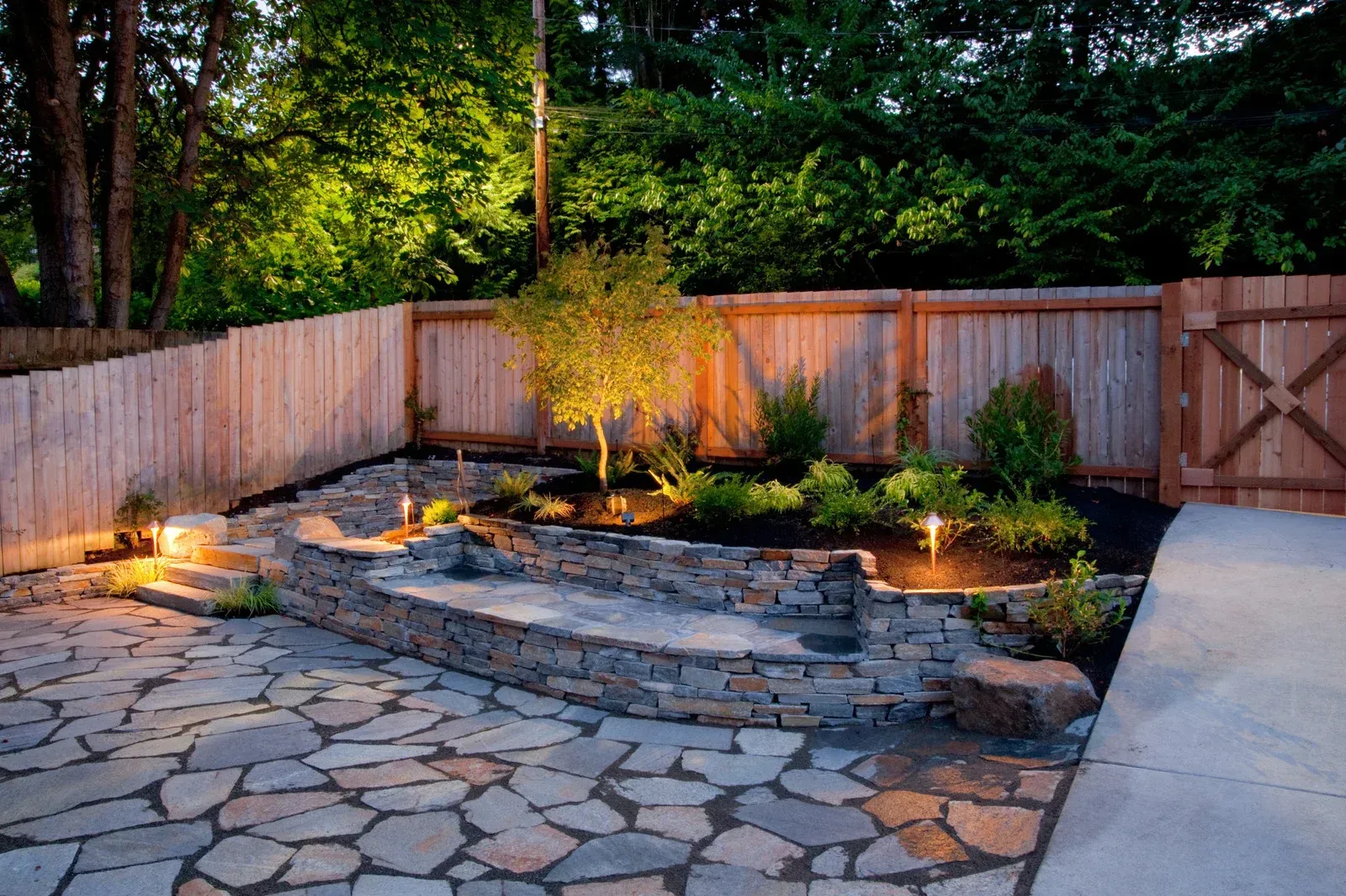
Retaining walls and terracing provide functional benefits, particularly on properties with sloped terrain. They prevent soil erosion, manage water runoff, and create usable flat areas for gardens or outdoor seating. Additionally, decorative retaining walls made from natural stone or brick can serve as design focal points, enhancing both the visual and financial value of the property.
Patios, Pathways, and Outdoor Kitchens
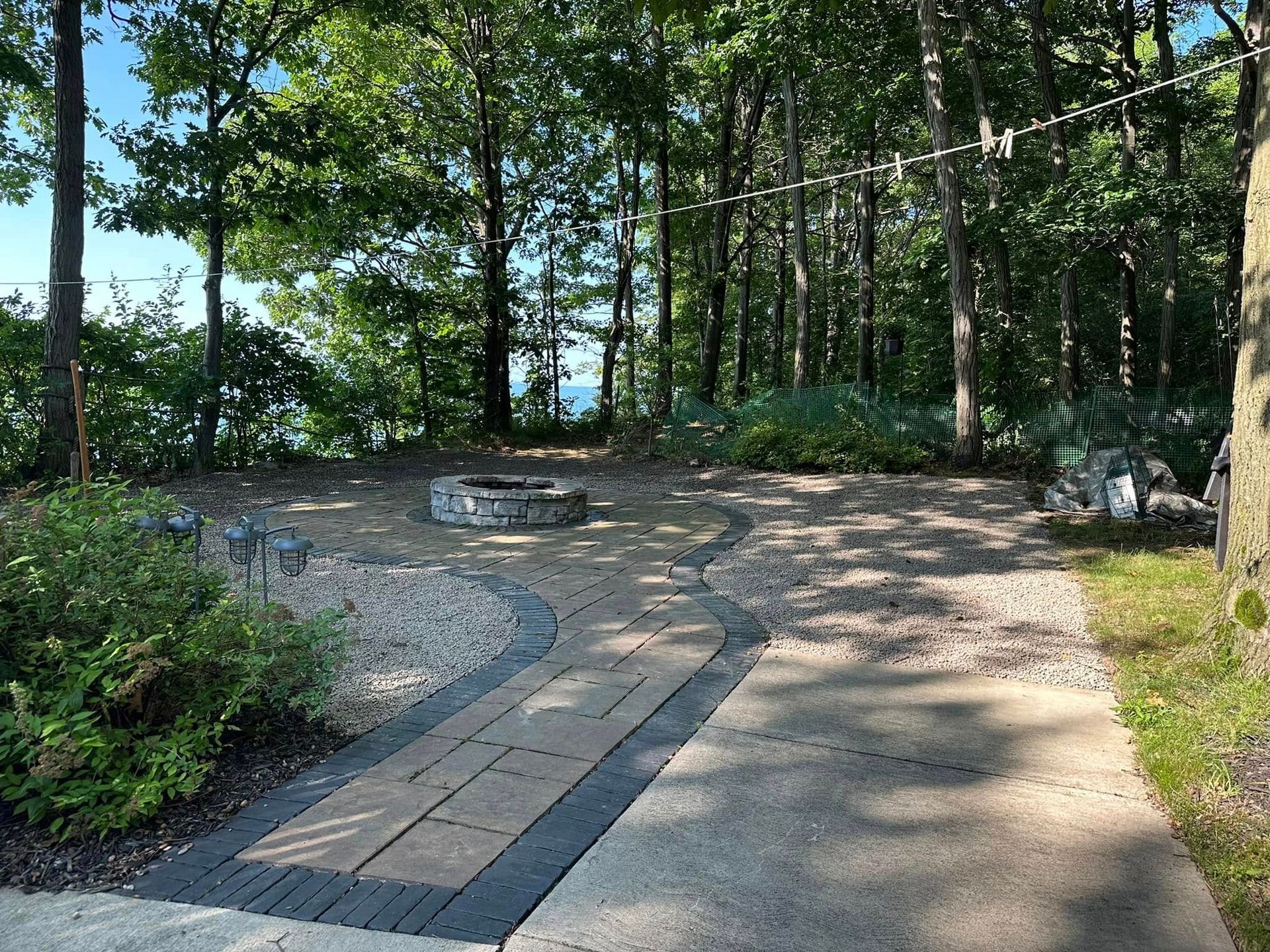
Patios and pathways provide practical outdoor access while enhancing the flow and usability of a yard. Incorporating materials such as natural stone, stamped concrete, or pavers adds sophistication and durability. Outdoor kitchens or built-in fire pits create entertaining spaces that appeal to modern buyers, showcasing lifestyle potential and directly increasing property value.
Lighting and Ambience
Outdoor lighting is a subtle yet powerful method for elevating property appeal. Well-placed lighting along pathways, patios, and landscape features increases safety and highlights design elements. Ambient lighting enhances the evening aesthetic, making the property appear more inviting and luxurious. Thoughtful lighting design reinforces the perception of a high-value home.
6. Common Challenges and Best Practices
Challenges in Landscape Design
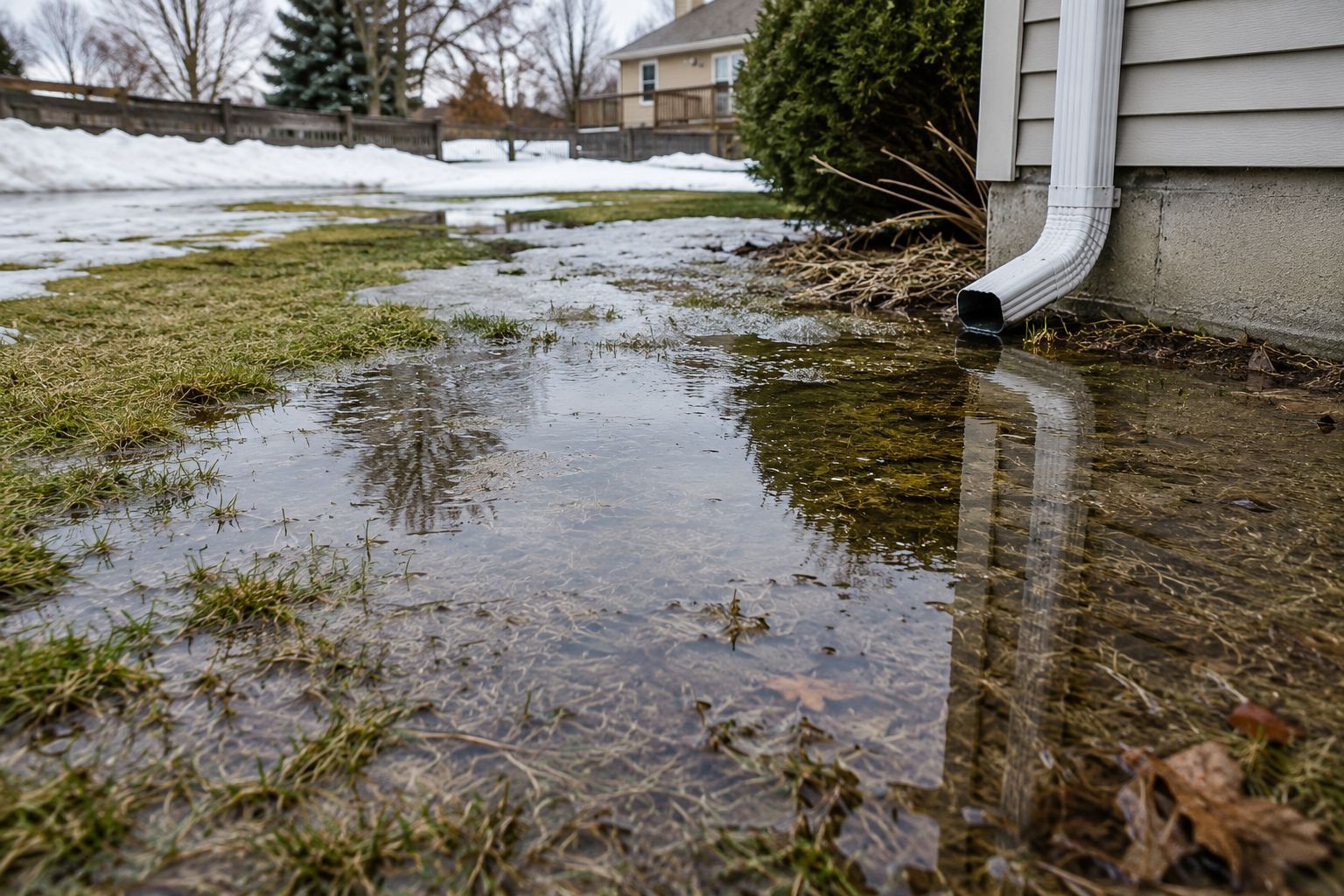
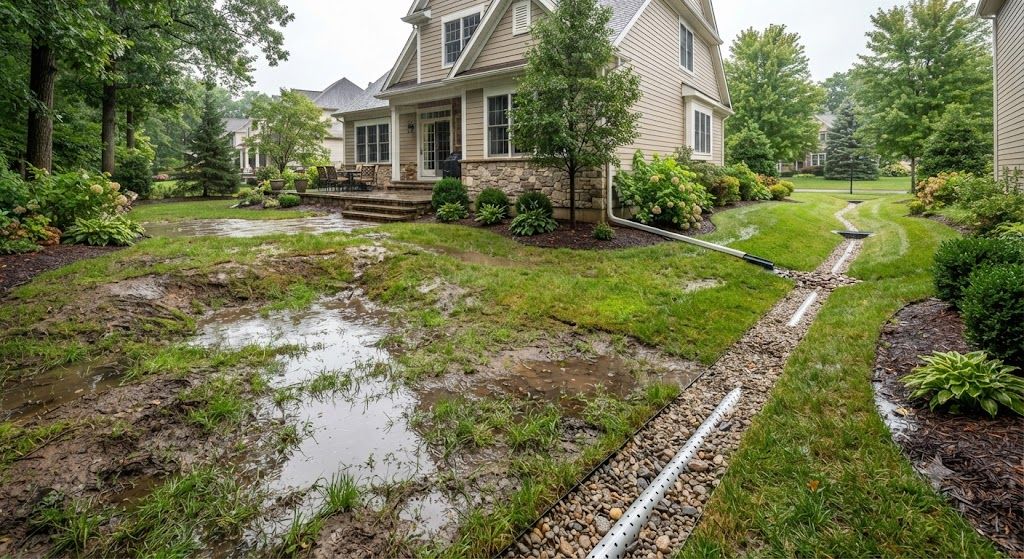
While effective landscaping can significantly increase home value, there are common challenges that homeowners must navigate. Poor plant selection, inadequate drainage, improper hardscape installation, and insufficient maintenance can diminish both appeal and value. Additionally, failing to align design with the home’s architectural style may result in an unbalanced or disjointed appearance.
Best Practices for Success
Professional guidance ensures optimal results. Key best practices include assessing site conditions, incorporating native and resilient plant species, balancing softscape and hardscape elements, and planning for seasonal changes. Homeowners should prioritize designs that enhance usability, improve curb appeal, and require reasonable maintenance.
Expert Insights
Experts recommend a holistic approach that integrates aesthetics, functionality, and sustainability. For instance, combining multi-seasonal plantings with energy-efficient lighting and water management strategies creates a landscape that is both beautiful and cost-effective. Thoughtful planning, quality materials, and professional execution consistently lead to higher property valuations and a stronger return on investment.
Trusted Landscaping Professionals Delivering Quality and Results
A carefully designed landscape does more than beautify a home—it enhances functionality, sustainability, and overall market appeal. By integrating principles of curb appeal, outdoor living, seasonal interest, and hardscaping, homeowners can create an environment that attracts buyers and supports higher property valuation. Thoughtful landscaping offers measurable benefits, from reduced maintenance costs to increased lifestyle enjoyment, making it a strategic investment for any property owner.
Partnering with an experienced landscaping professional ensures that design choices are both practical and visually compelling. Braidich Landscaping, a trusted landscape designer based in Silver Creek, New York, brings nine years of expertise to every project. With a commitment to combining innovative design with functional outdoor solutions, Braidich Landscaping transforms properties into cohesive, high-value spaces. Their team specializes in personalized consultations, strategic plant selection, and comprehensive hardscape and softscape integration, delivering landscapes that elevate both aesthetics and property worth. For homeowners looking to maximize their investment, Braidich Landscaping offers the guidance, precision, and proven experience necessary to turn outdoor spaces into lasting assets