
Understanding Drainage Solutions to Protect Your Yard from Water Damage
December 17, 2025
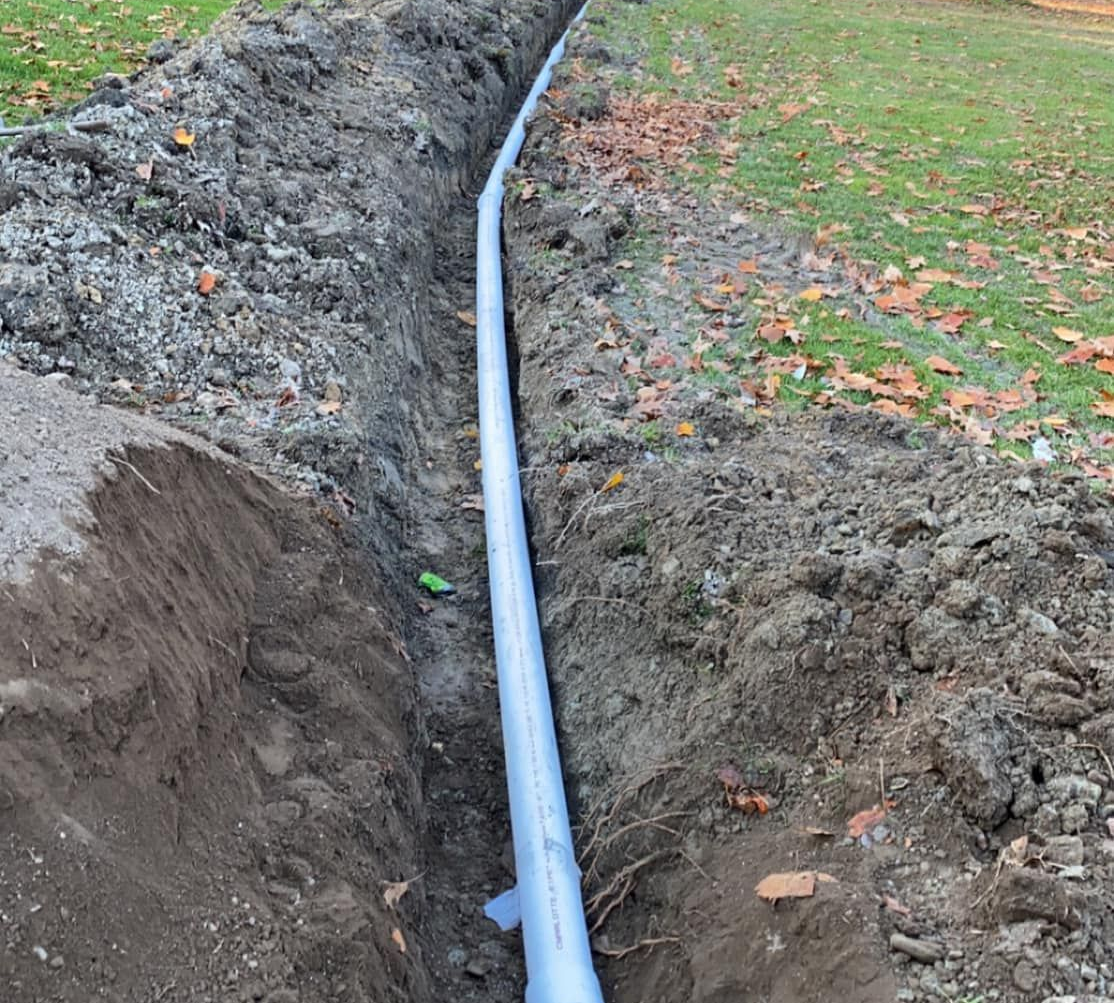
Excess water in a yard can lead to far more damage than most homeowners realize. From soil erosion and standing puddles to foundation issues and dead landscaping, poor drainage affects both property value and long-term outdoor usability. As weather patterns become increasingly unpredictable, the need for reliable drainage solutions continues to rise. Homeowners today must contend with heavy rainfall, saturated soil, overflowing gutters, and runoff that moves unpredictably across their landscape. Without proper systems in place, even a well-designed yard can become overwhelmed. Understanding drainage solutions is not just beneficial—it is essential for maintaining a safe, healthy, and visually appealing outdoor environment.
The broader landscaping and construction industries emphasize drainage more than ever before because effective water management directly impacts structural stability, plant health, and overall property longevity. Modern solutions range from traditional grading to advanced engineered systems that move, redirect, or absorb water efficiently. Yet many homeowners are unaware of how these systems work or when they should be implemented. This blog provides a comprehensive look at the most effective methods to prevent water damage, offering practical insights, real-world examples, and expert guidance. With the right approach, any yard—regardless of size or layout—can remain protected, functional, and resilient for years.
Supporting Landscape Longevity Through Smart Drainage Design
Braidich Landscaping
proudly serves homeowners with dedicated expertise in outdoor solutions, offering trusted guidance and reliable craftsmanship shaped by nine years of industry experience. Located in Silver Creek, New York, the company understands the unique drainage challenges that properties face in the region’s varied climate. Their team approaches each project with a focus on long-term protection, designing systems that manage water effectively while enhancing the overall landscape. From diagnosing difficult drainage issues to installing advanced solutions such as grading corrections, French drains, and landscape-based water control methods, they provide comprehensive services that deliver lasting results. Their commitment to quality ensures every yard remains healthy, safe, and structurally protected throughout the year. Whether homeowners are dealing with pooling water, foundation risks, soil erosion, or ongoing moisture problems, Braidich Landscaping
offers dependable expertise and a customer-first approach. With a reputation built on trust and proven results, they stand as a reliable partner for property owners seeking effective drainage solutions and professional landscape care.
Why Yard Drainage Matters for Long-Term Property Protection
Understanding the Impact of Excess Water
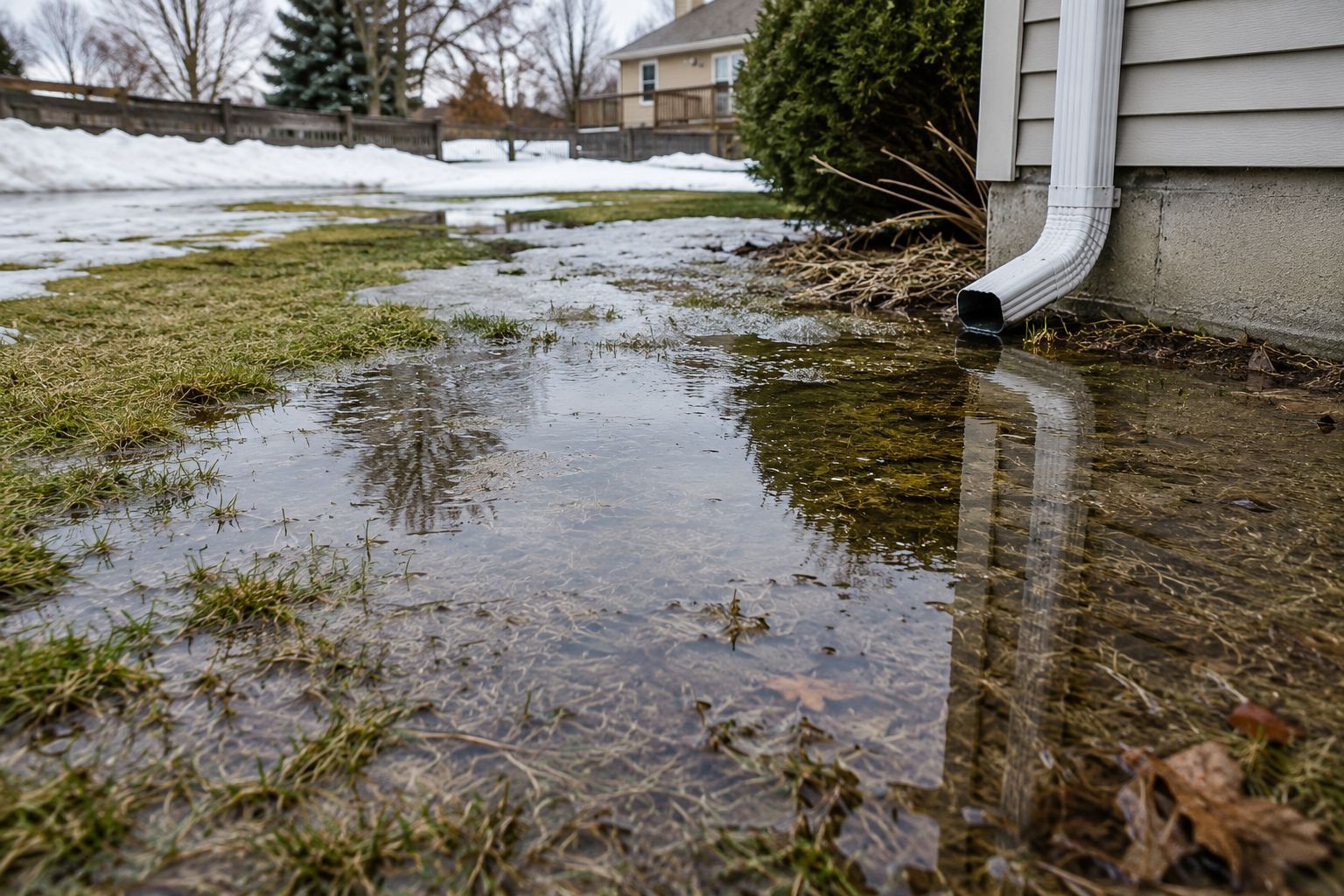
Water may seem harmless, but when it accumulates in the wrong places, it can cause extensive and costly damage. Poor drainage leads to soil compaction, plant suffocation, mold growth, and mosquito breeding. More critically, water pooling against foundations increases hydrostatic pressure, which can cause basement leaks or structural instability. Over time, this damage becomes increasingly difficult to repair.
How Water Moves Across a Landscape
Every yard has a natural slope, and water will always move toward the lowest point. When the grade is incorrect or disrupted by hardscapes, patios, or uneven soil, water may collect rather than disperse. Understanding how water flows helps determine whether the solution should redirect, absorb, or disperse moisture. This foundational knowledge is critical for correctly diagnosing drainage problems.
Common Signs of Drainage Issues
Homeowners often overlook early warning signs. These include soggy lawns, water stains on foundation walls, mulch displacement, overflowing gutters, or small sinkholes. Early identification significantly reduces repair costs and prevents long-term damage.
Surface Drainage Solutions for Managing Runoff
Grading and Slope Correction
One of the most effective and straightforward drainage solutions is proper grading. This involves reshaping the land so water naturally flows away from structures and toward designated drainage areas. A slope of even a few inches can dramatically improve drainage performance. Grading is especially beneficial for older properties where natural settling has created uneven surfaces.
Swales for Controlled Water Movement
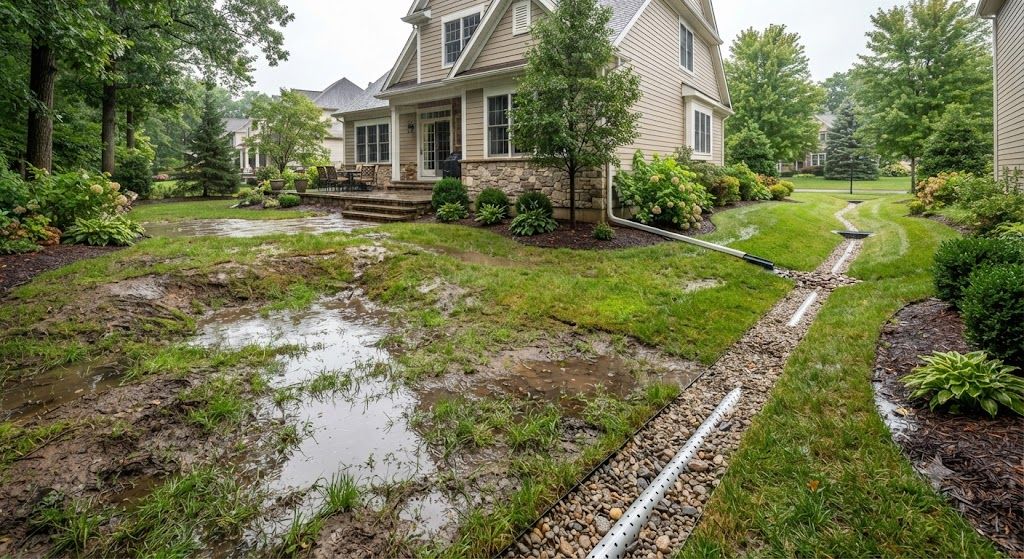
Swales are shallow, broad ditches that guide water across the landscape. When lined with grass or river rock, they manage large volumes of water without causing erosion. Swales are frequently used in residential yards with moderate runoff and can be integrated seamlessly into a landscape design.
Channel Drains for Hard Surfaces
Driveways, patios, and walkways often accumulate water because they lack permeability. Channel drains installed along the edges capture runoff and direct it into underground drainage lines. These systems are particularly useful for properties with sloped driveways leading toward a garage or entryway.
Catch Basins for Localized Collection
Catch basins capture water at specific trouble spots, such as low areas or downspout outlets. Once collected, water moves through underground pipes toward a safe discharge point. This method prevents pooling and protects surrounding soil from oversaturation.
Surface Drainage Solutions for Managing Runoff
French Drains for Deep Water Redirection
French drains are among the most trusted solutions for chronic drainage problems. They consist of perforated pipes surrounded by gravel and wrapped in fabric to prevent clogging. Installed below the soil surface, they collect and redirect water that saturates the ground. This method is ideal for yards with clay soil or poor natural infiltration.
Dry Wells for Water Absorption
A dry well is an underground chamber that receives water and allows it to disperse slowly into the soil. Dry wells help manage downspout output, driveway runoff, or water collected by drainage systems. They are effective in areas where the municipal storm system is overloaded or unavailable.
Sump Pumps for Severe Drainage Needs
When gravity-based solutions are insufficient, sump pumps offer a mechanical method of water removal. Installed in basins, these pumps automatically discharge water away from the home when it reaches a certain level. They are particularly useful in properties with basements or extremely low-lying areas.
Soil Amendment and Permeability Enhancement
Some drainage issues stem from soil that cannot absorb water efficiently. Incorporating organic matter, sand, or soil conditioners can significantly improve permeability. This approach supports healthier lawns and gardens while minimizing surface saturation.
Gutter, Downspout, and Roof Drainage Integration
Importance of Proper Gutter Management
Gutters are the first line of defense against yard and foundation water damage. When they become clogged or improperly sized, water spills over and saturates the surrounding soil. Ensuring gutters are clear, properly pitched, and structurally sound is essential for optimal performance.
Downspout Extensions and Redirection
Downspouts must carry water at least several feet away from the home's perimeter. Extensions, splash blocks, or underground drain lines prevent erosion and foundation pressure. A common cause of basement leaks is downspouts that empty too close to the structure.
Roof Runoff Considerations
Properties with large roof surfaces generate substantial runoff. Properly managing this water through diverters, additional downspouts, or roof drainage systems reduces the burden placed on the yard's drainage components.
Integration with Ground Drainage Systems
Roof drainage should always connect strategically with surface or subsurface systems. Without this integration, one system may overwhelm another. Coordinated water management ensures consistent performance during heavy rain.
Landscape-Based Drainage Enhancements
Using Plants to Improve Water Absorption
Certain plant species thrive in moist conditions and naturally absorb excess water. Using native grasses, shrubs, and deep-rooted plants improves soil structure and reduces surface runoff. Strategic landscaping not only enhances visual appeal but also strengthens natural water control.
Rain Gardens for Eco-Friendly Drainage
Rain gardens are shallow, planted basins that capture runoff and allow it to percolate into the ground gradually. Filled with moisture-tolerant plants, these gardens reduce erosion, filter pollutants, and add aesthetic beauty. They are perfect for areas near downspouts or slopes.
Permeable Hardscapes
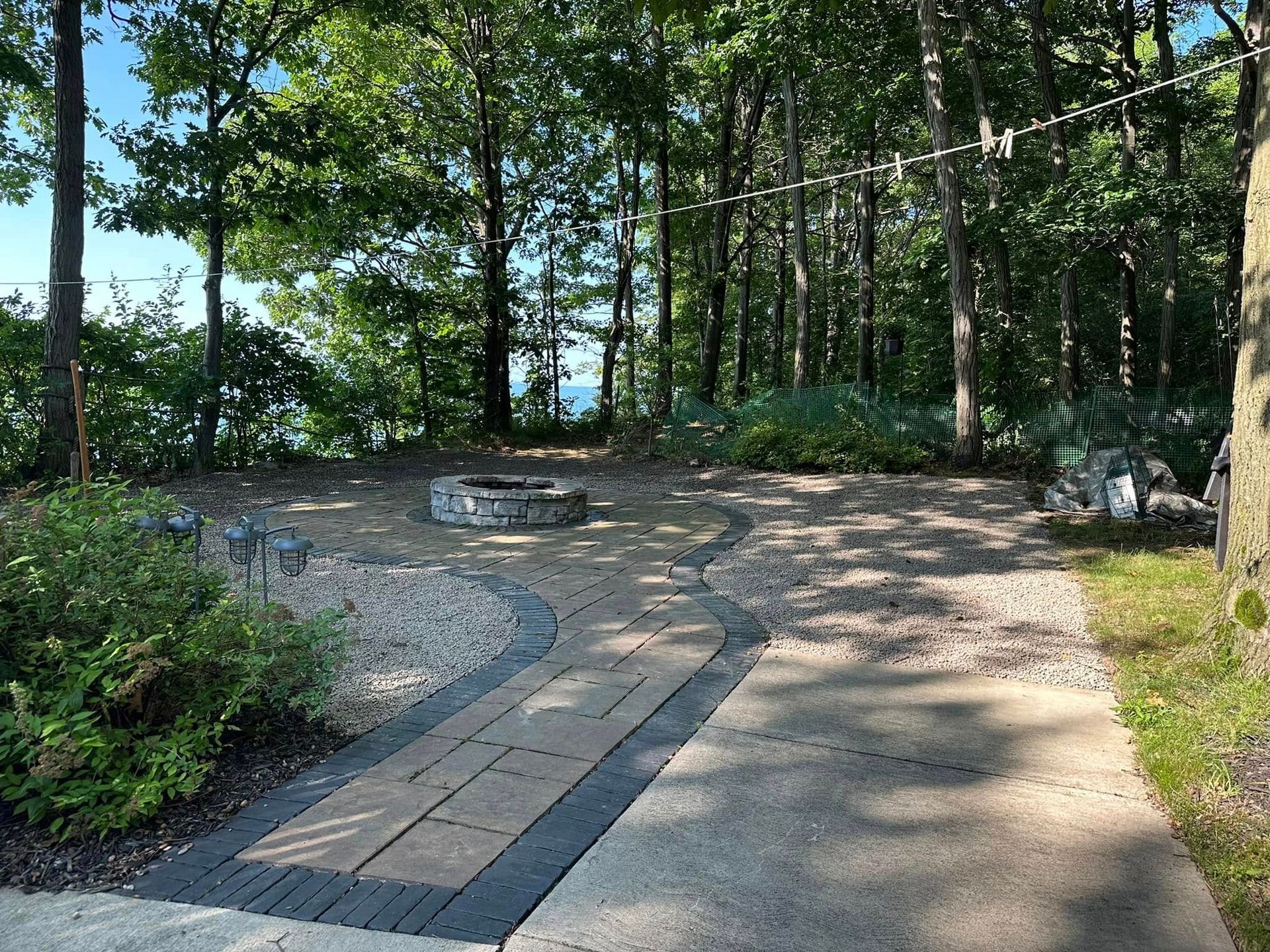
Traditional concrete traps water on the surface, but permeable pavers, gravel paths, and porous concrete allow rainfall to soak through. These materials reduce burden on drainage systems and help maintain soil hydration balance.
Mulching and Erosion Control
Mulch helps stabilize soil and retain moisture in the right places while preventing erosion in heavy storms. Using bark, straw, or wood chips around landscaping beds prevents runoff from displacing topsoil.
Choosing the Right Drainage Solution for Your Yard
Assessing the Yard’s Unique Challenges
Every yard has distinct drainage needs based on soil type, slope, vegetation, and climate. Assessing problem areas during or after rainfall provides valuable insights. Water patterns reveal the true sources of drainage issues.
Combining Multiple Solutions
Rarely is one method enough. Most properties require a combination of grading, drains, extensions, or landscape features. For example, a French drain may complement a rain garden, or channel drains may work alongside permeable pavers.
Professional Installation vs. DIY
While minor issues may be manageable, many drainage solutions require precise installation to function correctly. Improper slope, misaligned pipes, or inadequate filtration can worsen problems. Experienced professionals ensure accuracy, long-term durability, and code compliance.
Long-Term Maintenance Considerations
Even the best systems need upkeep. Clearing gutters, inspecting basins, and checking for soil displacement ensures continued performance. A long-term maintenance plan helps extend the system’s effectiveness and prevents unexpected failures.
Protecting a yard from water damage requires a solid understanding of how water moves, where it collects, and which solutions effectively control it. With the right strategy, homeowners can prevent erosion, foundation issues, and landscape deterioration while maintaining a healthy, functional outdoor environment. Drainage is not a one-size-fits-all solution; it demands careful evaluation and thoughtful planning. Whether the issue involves minor runoff or complex subsurface saturation, reliable drainage systems safeguard the long-term value and beauty of any property. Addressing water problems proactively ensures peace of mind and reduces the risk of extensive repairs.