
Step-by-Step Guide to Planning a Stress-Free Landscape Installation
March 18, 2026
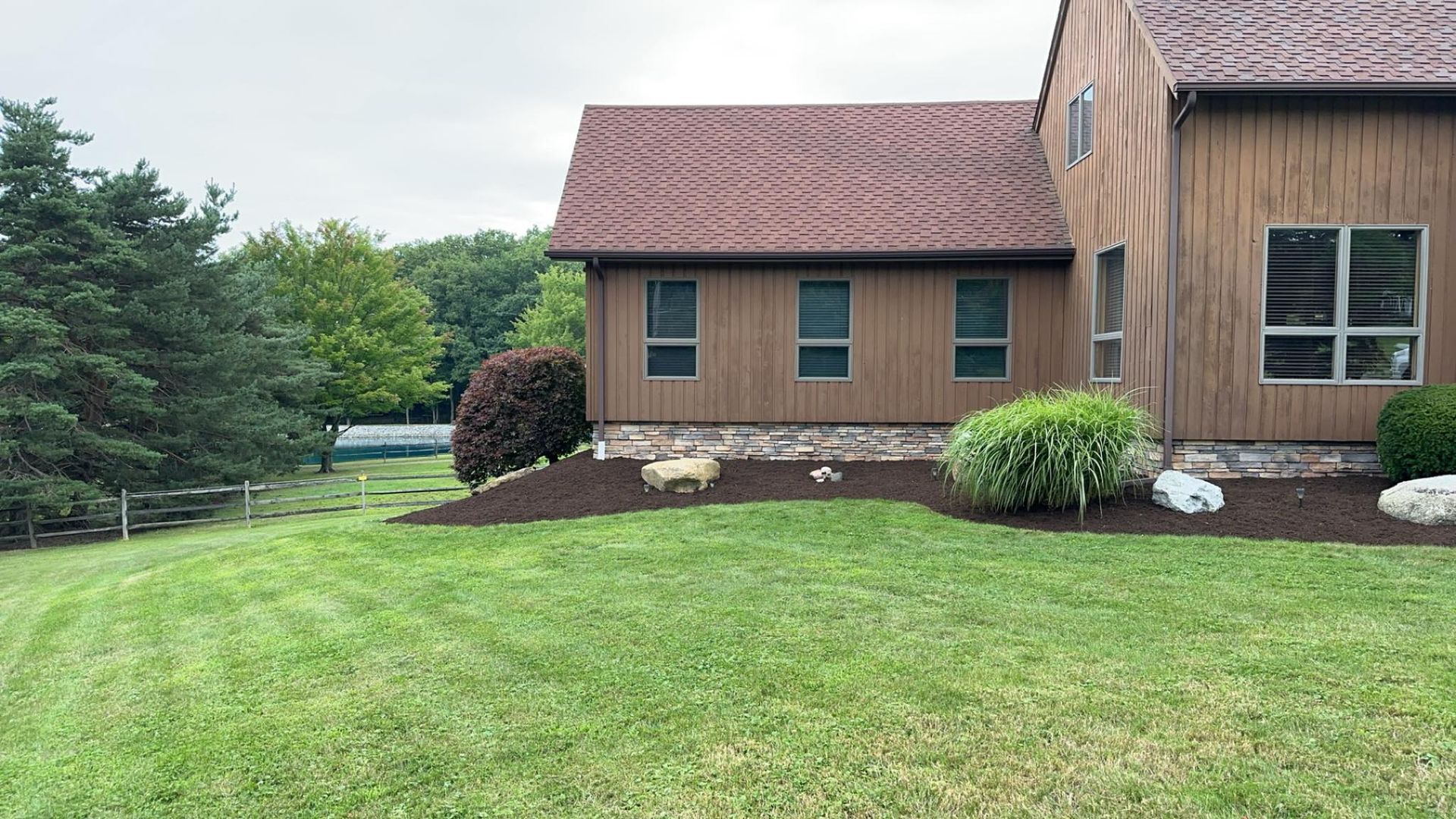
Creating a beautiful, functional outdoor space requires more than just selecting plants and hardscape materials. A successful landscape installation demands careful planning, strategic design, and practical execution. Whether enhancing curb appeal, improving outdoor living areas, or boosting property value, a well-executed landscape transforms a yard into a personalized retreat. However, without a clear plan, the process can quickly become overwhelming, expensive, and stressful. Understanding the essential steps before breaking ground is crucial to achieving the desired outcome efficiently and confidently.
Stress-free landscape installation begins with thoughtful preparation. Every decision—from choosing materials to scheduling work—impacts both the timeline and final results. This guide provides a step-by-step framework designed to simplify the process, avoid common pitfalls, and ensure a professional-looking landscape. By exploring each stage in detail, including planning, budgeting, material selection, and execution strategies, homeowners and property managers gain a comprehensive roadmap. Clear guidance and practical advice empower informed decisions, maximize investment, and reduce the risk of costly mistakes, resulting in a smooth, enjoyable landscape transformation that meets aesthetic goals while remaining functional for years to come.
1. Define Your Landscape Goals
Identify Purpose and Priorities
Before any installation, clearly defining the purpose of the landscape is absolutely critical for success. Consider whether the space will focus on entertainment, relaxation, gardening, or purely aesthetic appeal for daily enjoyment. For example, a backyard designed for hosting gatherings will prioritize patios, seating areas, and outdoor kitchens to accommodate guests comfortably and efficiently. In contrast, a garden-focused installation may emphasize planting beds, irrigation systems, and pathways to create a serene, functional, and visually cohesive environment. Pinpointing the primary function informs every subsequent decision, ensuring each feature contributes effectively to the overarching goal while minimizing potential wasted effort or resources.
Visual Inspiration and Concept Development
Collecting visual references from magazines, design websites, or local gardens helps clarify personal preferences and design intentions. Mood boards and rough sketches allow visualization of styles, color palettes, and textures more clearly and practically. Incorporating natural elements such as stone, wood, and water features into the concept can create harmony with the existing property while enhancing its overall aesthetic appeal. Concept development reduces ambiguity, streamlines communication with any collaborators, and provides a tangible blueprint for the installation process from start to finish.
Real-World Example
A homeowner wanting a low-maintenance yard may prioritize drought-tolerant plants and minimal lawn areas to reduce upkeep and water usage. Defining this goal early avoids unnecessary investments in high-maintenance plants and frequent watering systems, saving both time and money in the long run while keeping the yard attractive throughout the seasons.
2. Set a Realistic Budget
Estimate Costs Accurately
Landscaping expenses encompass materials, labor, permits, and unforeseen contingencies that can easily add up if not anticipated. Creating a detailed budget prevents overspending and ensures every element aligns accurately with the available financial capacity. Cost estimation should consider plants, soil amendments, hardscape materials, lighting, irrigation, and drainage systems comprehensively to avoid last-minute surprises. Including a 10–15% contingency fund covers unexpected challenges without disrupting the project or causing unnecessary delays during the installation process.
Prioritize Investments
Allocating funds strategically maximizes visual impact and overall functionality while maintaining cost efficiency. Investing in durable hardscape elements, such as pavers and retaining walls, provides long-term benefits and peace of mind. Meanwhile, budget-friendly plant choices can still achieve aesthetic appeal without compromising design. Understanding which aspects require premium materials versus cost-effective alternatives ensures both quality and efficiency in the completed landscape, balancing appearance and practicality seamlessly.
Expert Tip
Obtaining multiple quotes for labor and materials allows effective comparison and prevents overpayment while ensuring fair pricing. Selecting local suppliers often reduces shipping costs and supports prompt delivery, keeping the project on schedule and preventing unnecessary delays that could compromise plant freshness or installation timelines.
3. Conduct a Comprehensive Site Assessment
Evaluate Soil and Drainage
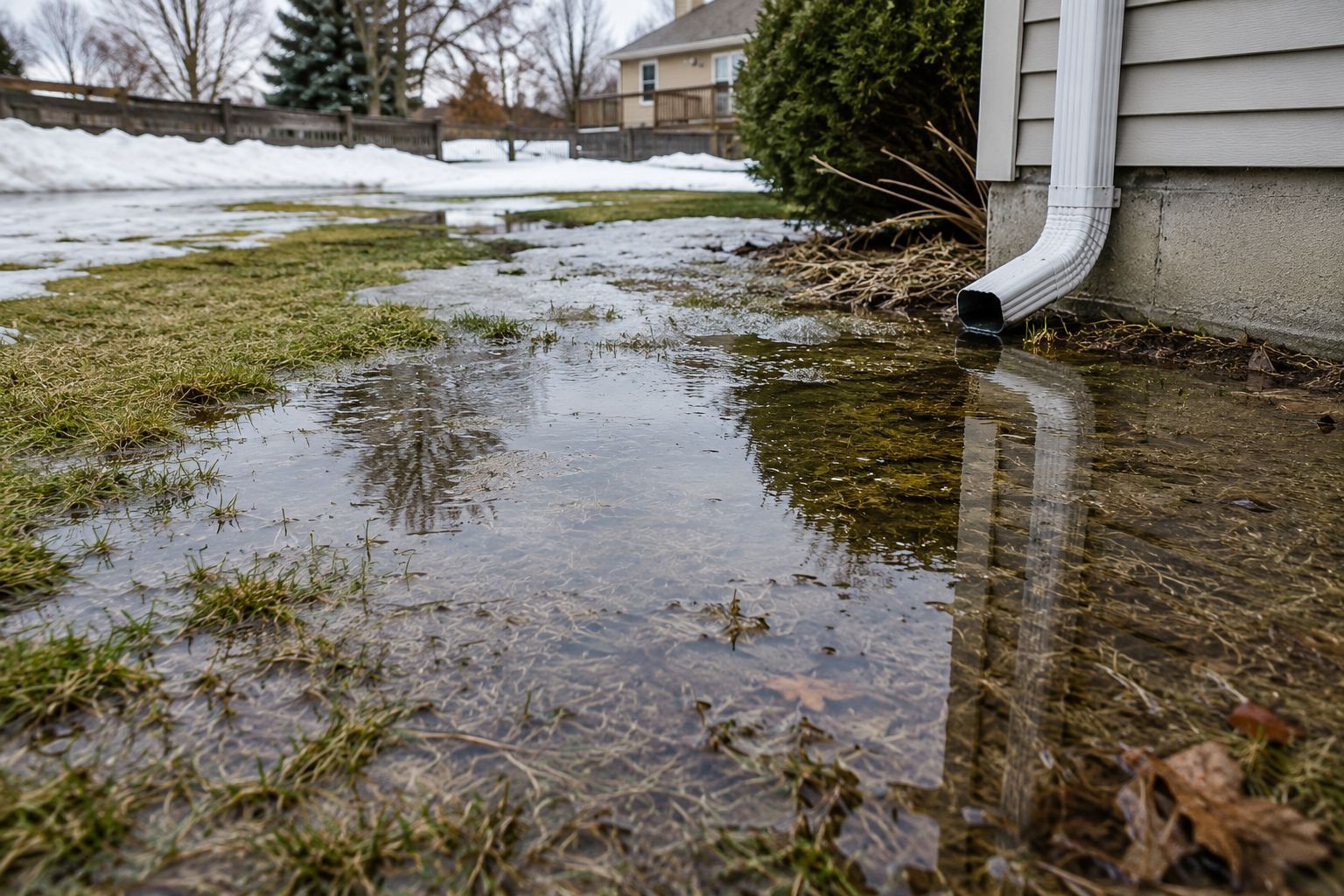
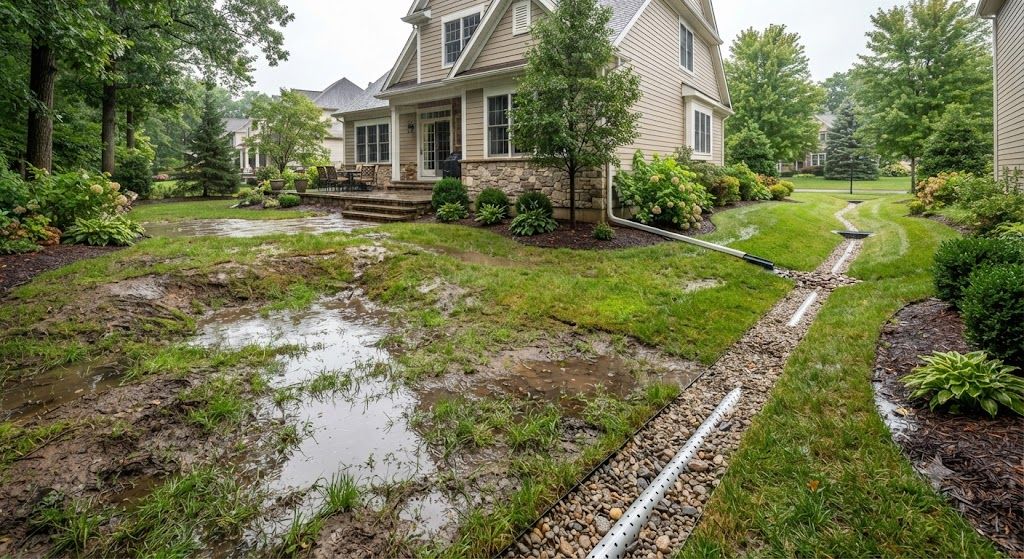
Soil quality directly impacts plant health, growth, and overall landscape success in meaningful ways. Testing for pH levels, nutrient content, and drainage capacity identifies necessary soil amendments or alternative planting solutions before installation begins. Proper drainage assessment prevents waterlogging, erosion, or pooling, protecting both plantings and hardscape investments from potential damage while ensuring a healthy and sustainable outdoor environment for years to come.
Examine Sunlight and Microclimates
Mapping sunlight patterns across the property informs plant selection and placement for optimal growth and longevity. Microclimates—areas with unique sun, wind, or moisture conditions—can significantly affect growth, health, and maintenance requirements over time. For example, planting shade-tolerant species near a north-facing wall ensures longevity, while sun-loving plants thrive in exposed areas, maximizing the success of the landscape design.
Account for Existing Features
Identifying trees, utilities, and existing structures prevents conflicts during installation and ensures safety and efficiency. Preserving mature trees or integrating existing patios into the new design enhances both aesthetics and functionality while maintaining natural character. Accurate site analysis allows for smarter design choices and avoids costly surprises during installation, contributing to a smooth, stress-free project.
4. Choose Materials and Plantings Wisely
Selecting Hardscape Materials
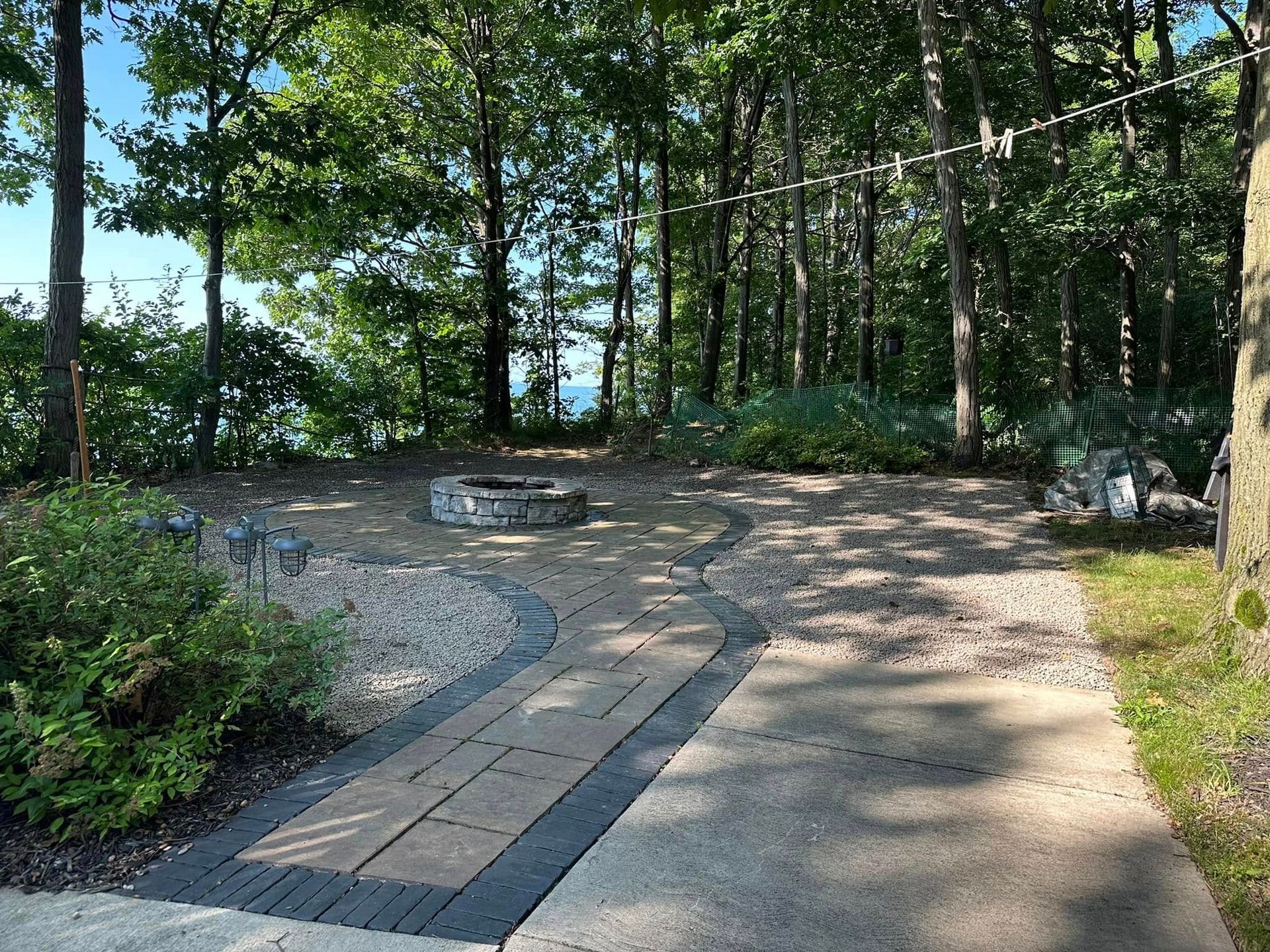
Materials like pavers, natural stone, and decking influence both appearance, functionality, and long-term durability. Consider texture, color, maintenance needs, and resistance to weathering when making selections for every area. For high-traffic areas, slip-resistant surfaces reduce hazards and prolong usability. For garden pathways, durable yet visually appealing options enhance the overall design while ensuring comfort, safety, and longevity of the installed landscape.
Strategic Plant Selection
Choosing plants suited to local climate, soil type, and water availability promotes healthy growth and reduces ongoing maintenance requirements. Combining perennials with seasonal blooms ensures year-round interest and visual appeal. Incorporating native species supports local ecosystems and often reduces irrigation requirements. Additionally, grouping plants with similar sunlight and water needs simplifies care and improves survival rates, creating a cohesive, sustainable landscape.
Seasonal Considerations
Plan for seasonal variations in growth, bloom cycles, and plant behavior throughout the year. Including evergreens or ornamental grasses maintains visual appeal during dormant months. Deciduous trees provide shade in summer while allowing sunlight to warm the home in winter, contributing to energy efficiency. Thoughtful seasonal planning enhances usability, comfort, and overall satisfaction with the completed landscape.
5. Develop a Step-by-Step Installation Plan
Phased Implementation
Breaking the project into carefully planned phases reduces stress, disruption, and overall workload. Begin with foundational elements such as grading, drainage, and hardscape installation before adding plants, finishing touches, and decorative elements. Phased execution ensures efficiency, prevents conflicts, and allows for adjustments based on real-time conditions while maintaining quality control throughout the project.
Scheduling and Logistics
Determine the optimal timeline considering weather patterns, seasonal plant availability, and labor scheduling to minimize delays. Coordinating deliveries of materials and plants with installation phases avoids storage issues and ensures freshness for plantings. A detailed schedule keeps the project on track, reduces downtime, and ensures that every element is installed efficiently and professionally.
Mitigating Challenges
Anticipating potential obstacles, such as heavy rainfall, equipment delays, or shipment issues, ensures smoother operations and reduces stress. Having contingency plans, like temporary irrigation systems or protective covers for delicate plants, safeguards investments and maintains the integrity of the landscape design under unforeseen circumstances.
Example Scenario
A backyard renovation may first address grading and drainage, then install a patio and pathways, followed by garden beds, shrubs, and plantings. This sequential approach prevents soil compaction near delicate plants and ensures hardscape features integrate seamlessly while minimizing delays and maximizing project efficiency.
6. Maintain Quality and Minimize Stress During Installation
Effective Communication
Clear, consistent communication with contractors, landscapers, or suppliers ensures alignment with the original plan at every stage. Sharing detailed drawings, plant lists, and material specifications reduces misunderstandings and promotes consistent results. Regular check-ins allow for real-time adjustments while maintaining project momentum, improving overall satisfaction and minimizing potential frustrations.
Tools and Equipment Preparation
Ensuring availability of necessary tools, machinery, and protective gear avoids delays, inefficiency, and unnecessary stress. From shovels and wheelbarrows to excavators, compactors, and safety gear, having the right equipment ready streamlines labor and reduces physical strain. Proper planning also includes verifying safety measures for handling heavy materials and machinery during installation.
Post-Installation Care
Providing initial maintenance instructions, including watering, mulching, pruning schedules, and fertilizer recommendations, ensures plants establish successfully. Regular monitoring during the first weeks allows early identification of issues such as pest infestations, soil settling, or irrigation malfunctions. Proactive care safeguards the investment and supports long-term landscape health while minimizing future maintenance challenges.
Stress Reduction Tips
Creating a detailed checklist for each stage, maintaining flexibility in scheduling, and celebrating small milestones improves the overall installation experience. Adopting a methodical, step-by-step approach reduces uncertainty, prevents burnout, and allows homeowners to enjoy the transformation process with confidence and satisfaction.
Professional Landscape Design for Lasting Outdoor Enjoyment
Planning a landscape installation involves thoughtful design, careful budgeting, thorough site assessment, smart material selection, and methodical execution. By defining goals, setting realistic budgets, evaluating environmental factors, and following a step-by-step plan, homeowners can minimize stress while maximizing the impact of their investment. Integrating practical strategies for communication, scheduling, and post-installation care ensures a seamless transformation and long-lasting results.
At Braidich Landscaping, located in Silver Creek, New York, over9
years of experience informs every project we undertake. As landscape designers, we prioritize understanding each client’s vision while providing professional guidance, innovative solutions, and meticulous attention to detail. Our approach combines practical expertise with aesthetic insight to deliver outdoor spaces that are functional, beautiful, and enduring. Trust in our proven experience ensures your landscape installation is not only successful but enjoyable from concept to completion. Partnering with us transforms landscaping challenges into a rewarding and stress-free experience, reflecting both quality craftsmanship and design excellence.