
Essential Lawn Care Tips Every Homeowner Should Know
April 13, 2026
A vibrant, well-maintained lawn serves as more than just a visual enhancement for any property; it reflects careful planning, attention to detail, and a commitment to outdoor living. Homeowners across Silver Creek and beyond recognize that a healthy lawn contributes not only to curb appeal but also to environmental balance, soil stability, and overall property value. Yet, achieving and sustaining a lush, green lawn requires more than occasional mowing and watering. Many lawns suffer from subtle but cumulative mistakes, such as inconsistent maintenance, improper fertilization, and neglecting seasonal challenges. Additionally, factors like soil composition, sunlight exposure, and local climate patterns play a significant role in lawn health, making tailored care essential. Homeowners who invest time in understanding these variables can prevent costly repairs and enjoy a flourishing landscape throughout the year.
In today’s competitive landscaping and home improvement industry, knowledge of essential lawn care practices separates thriving properties from underperforming landscapes. This guide provides actionable insights for homeowners seeking to cultivate a lawn that remains healthy, aesthetically pleasing, and resilient year-round. From proper watering techniques and mowing strategies to soil management, pest control, and seasonal care, every section addresses practical solutions grounded in real-world experience. By embracing these best practices, homeowners can also reduce environmental impact, conserve water, and foster biodiversity in their yards. Ultimately, proactive lawn care is not just maintenance—it’s an investment in both the beauty and sustainability of your property.
1. Proper Watering Techniques
Understanding Lawn Water Requirements
Watering is one of the most critical yet frequently misunderstood aspects of lawn care. Overwatering can suffocate roots, promote fungal growth, and wash away essential nutrients. Conversely, underwatering stresses grass, reduces its resistance to disease, and weakens root systems. Most lawns thrive with approximately 1 to 1.5 inches of water per week, applied deeply rather than superficially. Deep watering encourages roots to grow downward, enhancing drought tolerance and overall turf resilience.
Best Practices for Efficient Watering
The optimal time to water is early morning, reducing evaporation and minimizing the risk of disease caused by prolonged leaf moisture. Utilizing sprinkler systems with timers ensures consistent coverage, while soil moisture sensors can prevent unnecessary watering. For example, sandy soils may require more frequent watering, whereas clay-heavy soils retain moisture longer. Adjusting watering frequency according to seasonal conditions—less during cooler months and more during heat waves—prevents stress and maintains uniform green coverage.
Real-World Scenario
A suburban lawn experienced consistent yellowing patches during summer. Shallow daily watering seemed sufficient, but the grass developed shallow roots and struggled under drought stress. Switching to a deep, twice-weekly watering schedule improved root depth, leading to greener, stronger turf and reduced water usage by nearly 30 percent.
2. Mowing Strategies for Healthy Turf
Importance of Proper Mowing
Mowing is not just a routine chore; it is a critical determinant of lawn health. Cutting grass too short, also known as scalping, exposes roots to sunlight and heat, increases weed invasions, and reduces nutrient absorption. On the other hand, letting grass grow excessively tall can create uneven turf and promote pest infestation.
Recommended Mowing Techniques
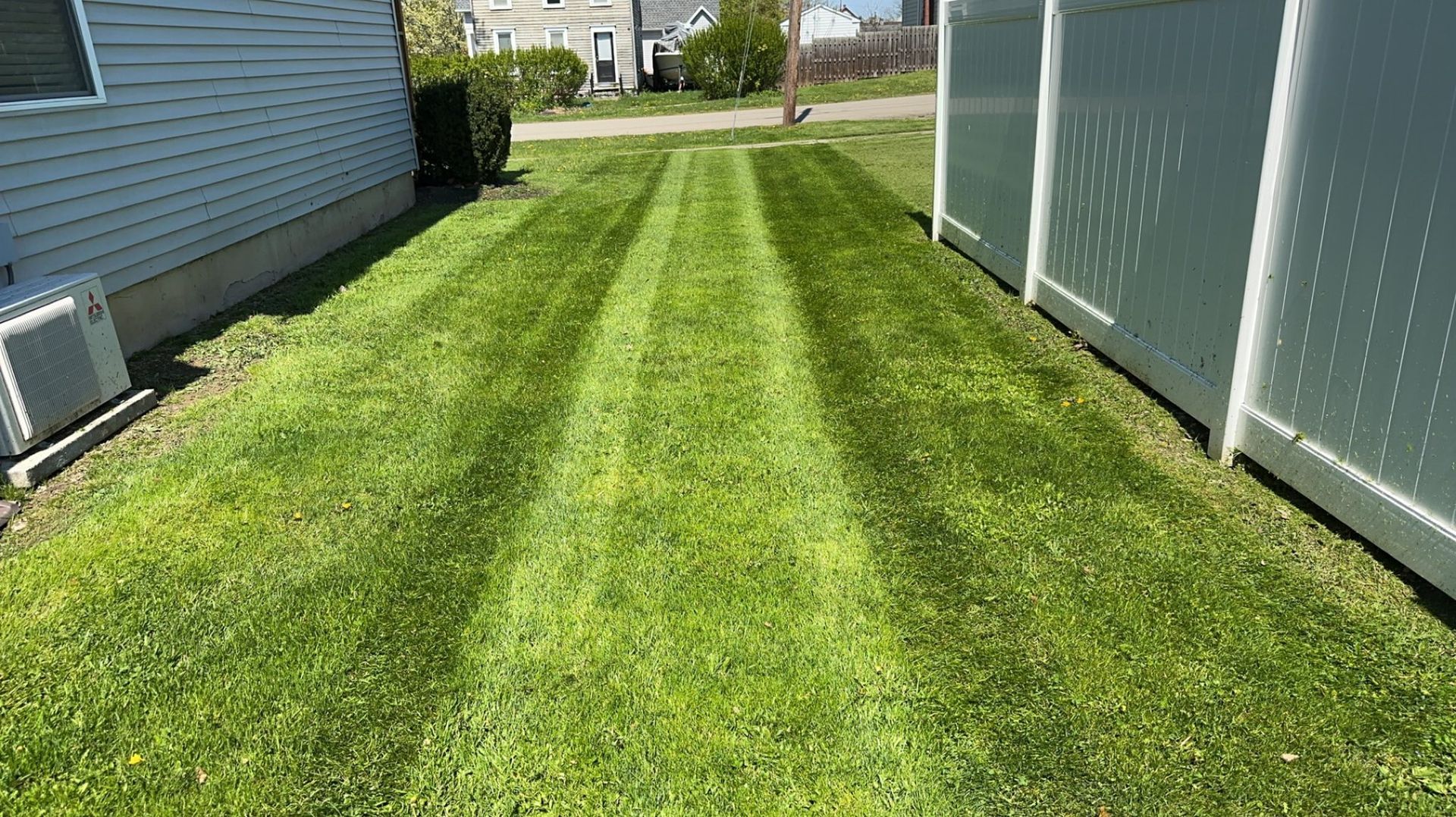
Follow the “one-third rule”—never remove more than one-third of the grass blade length at a single mowing. Maintain mower blades sharp to prevent tearing, which weakens grass and increases susceptibility to disease. Varying mowing patterns each week prevents soil compaction and promotes upright, uniform growth.
Benefits of Mulching
Leaving clippings on the lawn as mulch provides natural nutrients, reduces waste, and enhances moisture retention. For instance, a homeowner in a temperate zone noticed a marked improvement in soil quality and a reduction in fertilizer requirements after adopting mulching over conventional bagging methods.
Seasonal Adjustments
Grass growth rates vary seasonally; frequent mowing is necessary during peak spring and summer growth, while lower frequency in fall and winter reduces stress. Adjusting cutting height seasonally also protects roots during extreme temperatures.
3. Fertilization and Soil Management
Understanding Soil Health
Soil composition directly affects grass growth, nutrient availability, and water retention. Conducting a soil test reveals pH levels, nutrient deficiencies, and compaction issues. Correcting imbalances ensures that fertilization efforts are effective rather than wasted. For instance, a slightly acidic soil may require lime, while nutrient-deficient soil benefits from a balanced N-P-K (Nitrogen-Phosphorus-Potassium) fertilizer.
Fertilization Best Practices
Fertilizer should be applied according to seasonal needs:
- Spring: Focus on promoting root growth with nitrogen-rich fertilizers.
- Summer: Slow-release fertilizers maintain turf without overstimulating growth.
- Fall: Apply phosphorus and potassium to strengthen roots and improve winter resilience.
Avoid over-fertilization, which can burn grass and contaminate water runoff. Precision application, ideally using a broadcast spreader, ensures even coverage and optimal results.
Addressing Soil Compaction
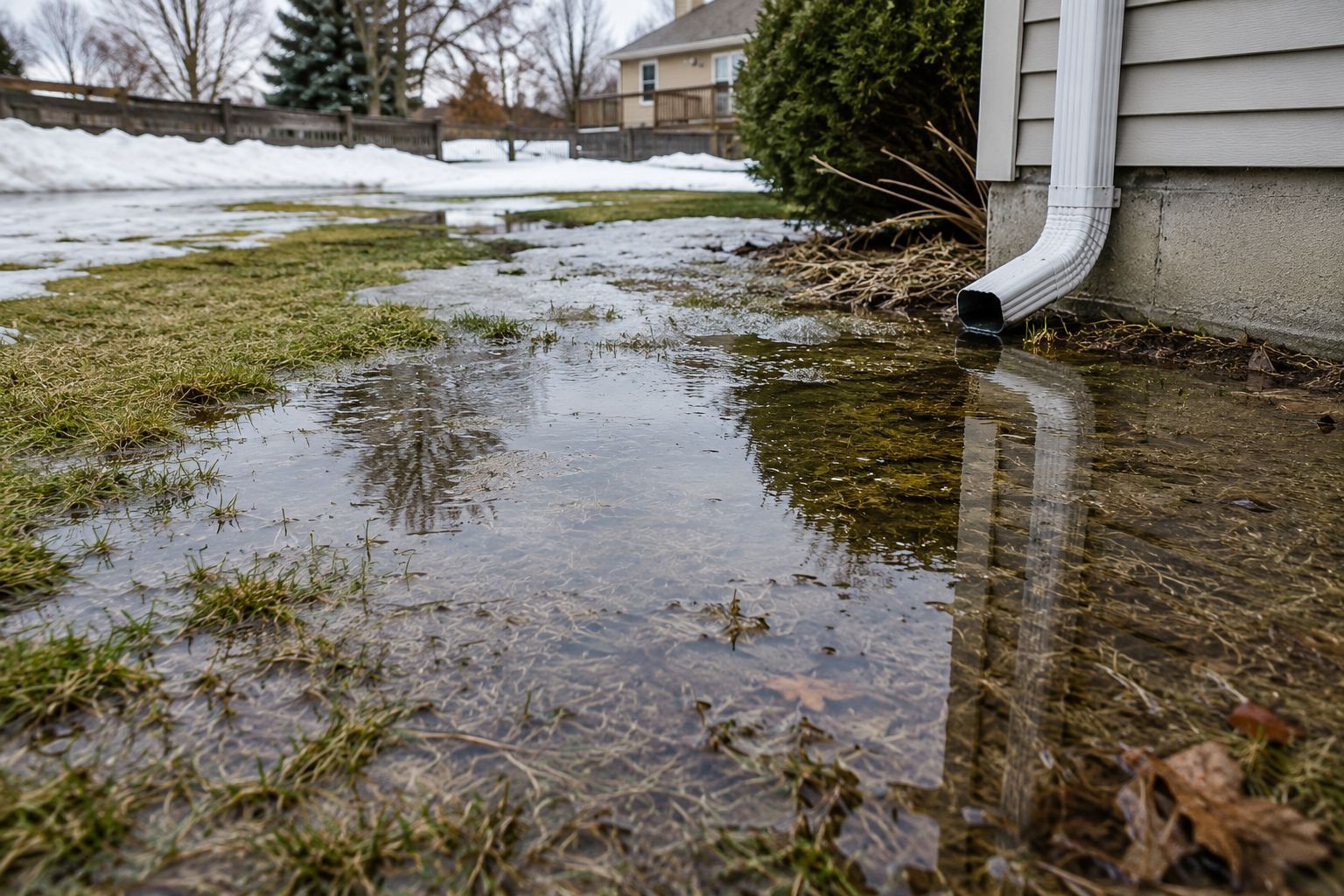
Compacted soil restricts root growth and prevents water and nutrients from reaching deeper layers. Aeration—either through core or spike methods—relieves compaction, improves drainage, and enhances fertilizer absorption. A high-traffic lawn or one prone to heavy rain should be aerated annually to maintain structural integrity.
4. Weed, Pest, and Disease Control
Identifying Common Lawn Weeds
Weeds compete with grass for nutrients, water, and sunlight. Dandelions, crabgrass, and clover are common offenders that require timely intervention. Manual removal is effective for small infestations, while targeted herbicides address widespread growth. Maintaining thick, healthy turf naturally suppresses weeds by limiting available growth space.
Effective Pest Management
Lawns are vulnerable to pests such as grubs, armyworms, and chinch bugs. Early detection prevents extensive damage. Beneficial nematodes or organic insecticides provide environmentally friendly control, while chemical insecticides may be reserved for severe infestations.
Disease Prevention Strategies
Fungal diseases, including brown patch and powdery mildew, thrive in overly wet or poorly ventilated areas. Proper mowing, adequate spacing between plants, and careful watering significantly reduce the likelihood of infection. Fungicide treatments can serve as a preventive measure in regions with high humidity or persistent rainfall.
Real-World Scenario
A property with heavy shade experienced recurring patchy growth due to fungal activity. Adjusting watering schedules, improving soil drainage, and selectively applying fungicide eradicated the problem and allowed grass to recover fully, demonstrating the effectiveness of integrated pest and disease management.
5. Seasonal Lawn Care Practices
Spring Lawn Preparation
Spring sets the foundation for a strong growing season. Removing debris, dethatching accumulated dead grass, and aerating compacted soil improves nutrient uptake. Early fertilization and pre-emergent herbicide applications prevent weed outbreaks before they occur.
Summer Maintenance
During summer, heat stress and drought are significant challenges. Increasing watering depth, maintaining mowing height, and monitoring for pests and disease ensures lawn resilience. Mulching grass clippings also aids in moisture retention and nutrient recycling.
Fall Lawn Care
Fall is critical for root development and winter preparation. Fertilization focused on potassium and phosphorus strengthens the lawn, while overseeding fills thin areas to prevent weed colonization. Raking leaves prevents smothering, and aeration allows better root penetration.
Winter Protection
While lawns typically enter dormancy in winter, preparation ensures rapid spring recovery. Applying a winterizer fertilizer, avoiding heavy traffic on frozen turf, and removing debris helps maintain soil health and grass structure until growth resumes.
6. Enhancing Lawn Aesthetics and Functionality
Incorporating Lawn Design Principles
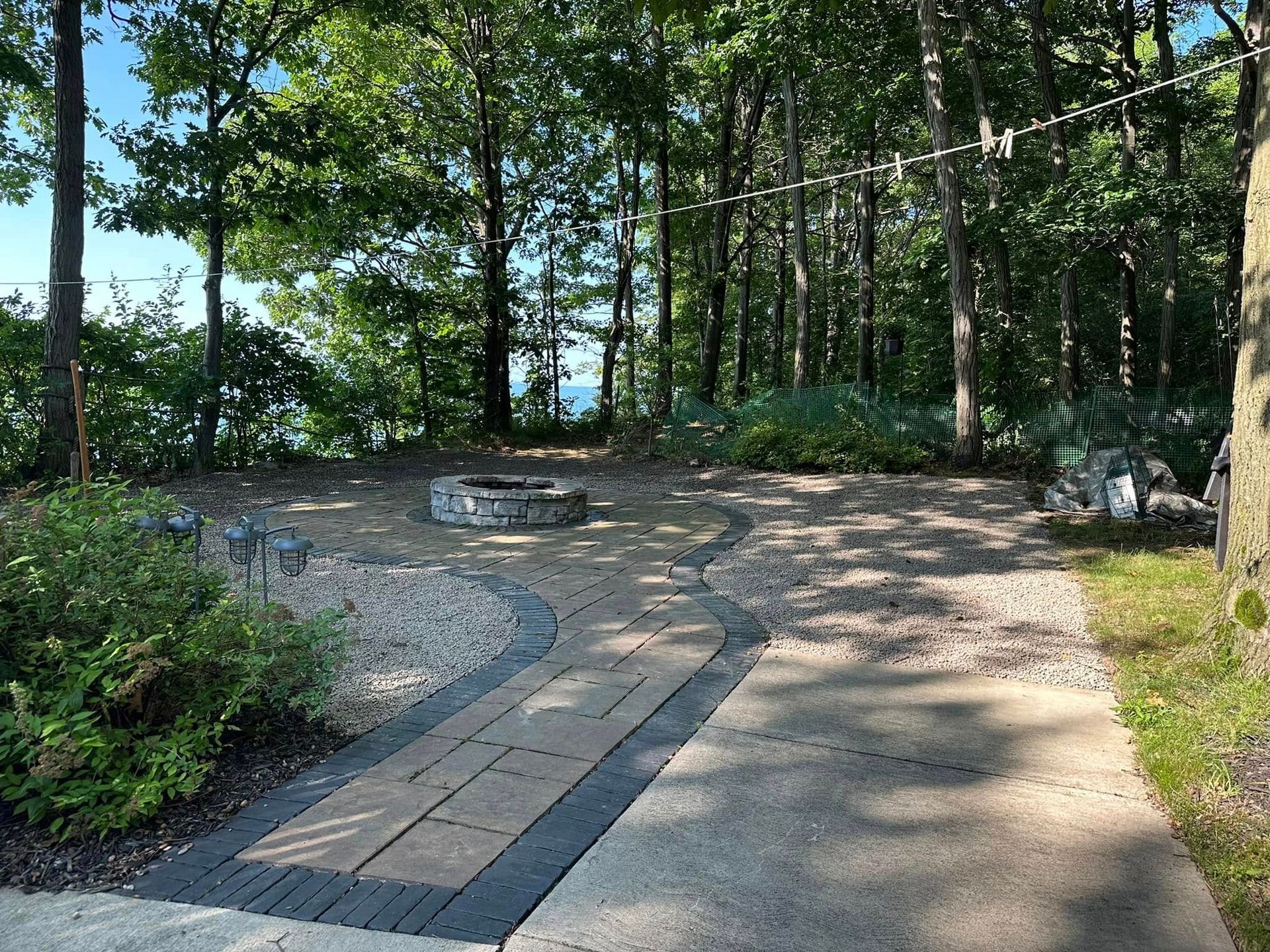
Aesthetic appeal goes beyond green turf. Strategic planting of ornamental grasses, flower borders, and shrubs complements lawn uniformity while promoting biodiversity. Edging along pathways and garden beds creates clean lines that enhance property appearance.
Functional Considerations
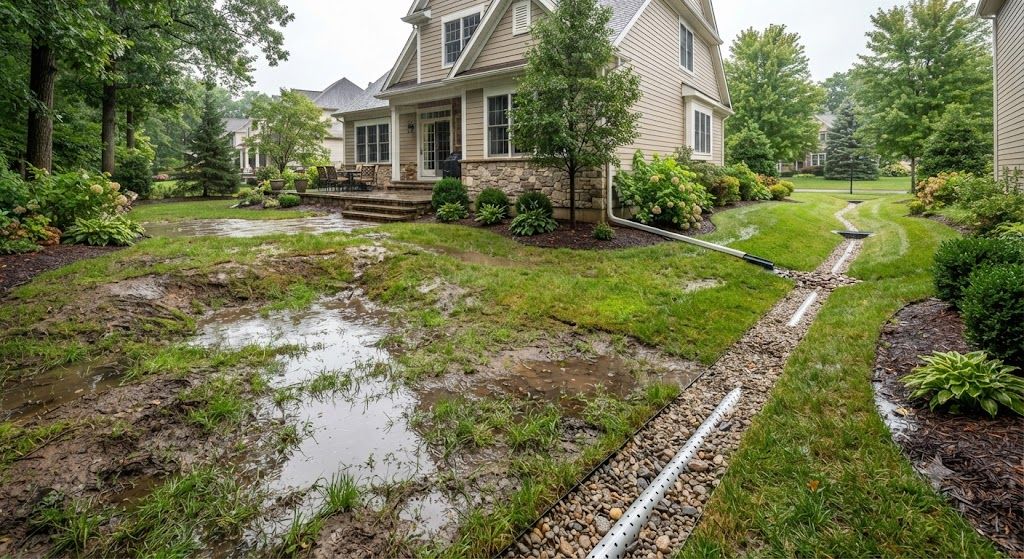
Lawn care also involves practical design for usability. Leveling uneven areas, creating drainage solutions, and designating high-traffic zones reduce soil erosion and prevent wear patterns. Durable turf selection in frequently used areas ensures long-term functionality without sacrificing appearance.
Sustainable Lawn Practices
Adopting eco-friendly practices supports long-term health. Using native grasses, composting organic waste, reducing chemical inputs, and optimizing irrigation contributes to sustainability while maintaining a lush, vibrant lawn. Homeowners benefit from lower maintenance costs and a reduced environmental footprint.
Real-World Scenario
A homeowner replaced high-maintenance turf with a mix of drought-tolerant native grass and flowering borders. Not only did water usage drop by nearly 40 percent, but the yard also gained visual appeal and became a pollinator-friendly habitat, demonstrating that functional and sustainable lawns can coexist with beauty.
Experienced Landscape Designers Ensuring Healthy, Green Lawns
Maintaining a vibrant, healthy lawn requires consistent attention, informed decision-making, and an understanding of how environmental factors, soil conditions, and seasonal changes interact. By implementing proper watering, mowing, fertilization, pest and disease management, and seasonal care strategies, homeowners can achieve a lush, resilient lawn that enhances both aesthetic appeal and property value. The integration of sustainable practices and thoughtful design further strengthens turf health while minimizing environmental impact, creating a functional and visually pleasing outdoor space. Regular monitoring and timely interventions also prevent common lawn issues before they escalate, ensuring that every inch of turf remains strong, green, and vibrant throughout the year.
At Braidich Landscaping, based in Silver Creek, New York, over 9
years of experience in landscape design translates into practical, results-driven solutions for every property. Expertise extends to customized
lawn care
strategies, soil analysis, turf enhancement, and seasonal maintenance planning. With a focus on professional guidance and long-term lawn health, Braidich Landscaping
ensures that outdoor spaces not only thrive but reflect the care and investment of homeowners. From personalized maintenance schedules to environmentally conscious solutions, every service is designed to maximize both the beauty and durability of your lawn, creating outdoor spaces that homeowners can be proud of.