
Signs Your Lawn Needs Expert Care Before It’s Too Late
May 5, 2026
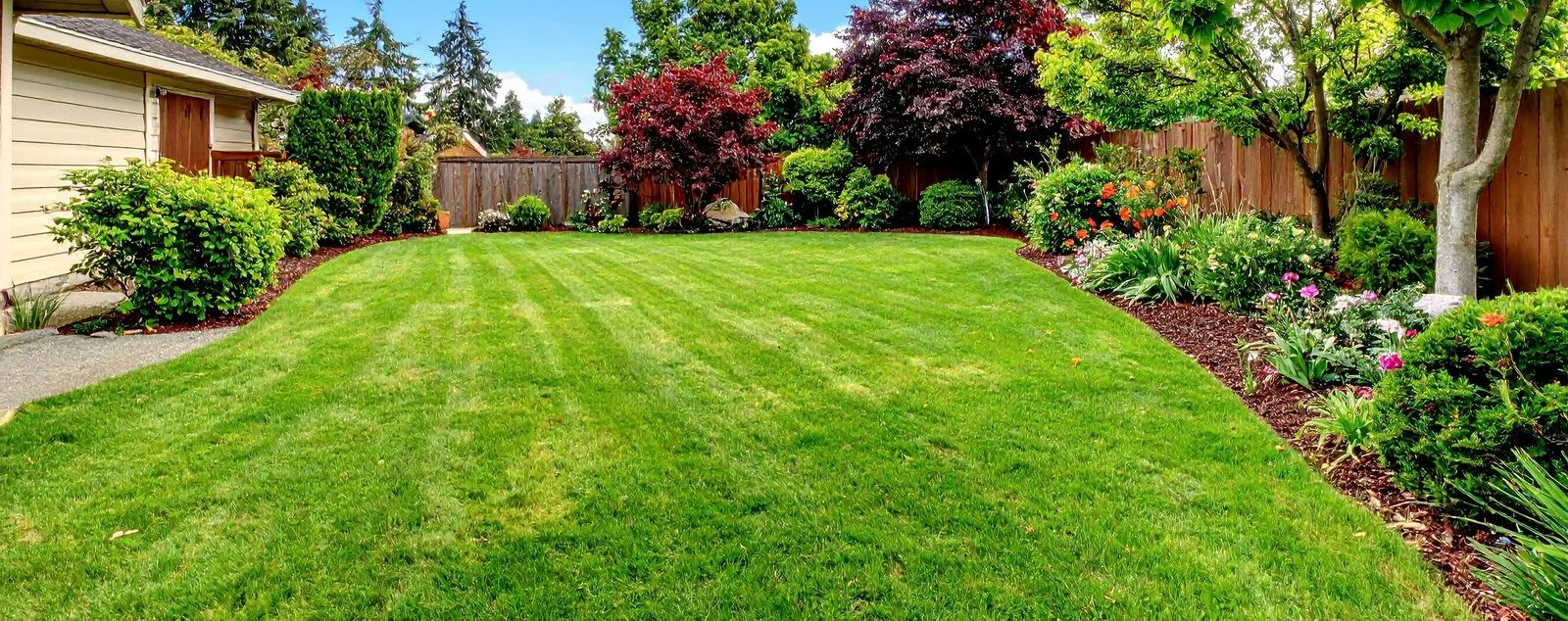
A lush, green lawn is more than just a visual delight; it is a reflection of the care and attention given to a property. Well-maintained lawns not only enhance curb appeal but also provide functional outdoor spaces for relaxation, recreation, and family gatherings. However, achieving and sustaining a healthy lawn is a delicate balance that requires knowledge, planning, and timely interventions. Many homeowners underestimate the complexity of lawn care, often missing early warning signs that indicate underlying issues. Ignoring these signs can lead to irreversible damage, forcing costly restorations or complete replanting. Investing time in understanding lawn health early on prevents frustration, saves money, and ensures outdoor spaces remain attractive and safe for everyday use.
Understanding when a lawn needs expert care is critical for preventing long-term problems. Early detection allows for targeted treatments that restore vitality and promote resilience against pests, diseases, and environmental stressors. From irregular growth patterns to subtle discoloration, lawns communicate their needs through visual and structural cues. Recognizing these cues and responding promptly ensures optimal turf health, enhances property value, and reduces future maintenance costs. Proactive care also encourages stronger root systems, better drought tolerance, and a lawn that consistently withstands seasonal changes, making every outdoor space functional, enjoyable, and visually striking.
1. Uneven Growth Patterns and Bare Spots
Spotting Irregular Growth
One of the earliest indicators that a lawn requires professional attention is uneven growth. Grass that grows inconsistently, leaving patches taller than others or areas with no growth at all, signals potential problems with soil health, nutrient distribution, or irrigation practices. Bare spots may develop due to heavy foot traffic, pet activity, or underlying pest infestations, often becoming more noticeable during seasonal changes or extreme weather conditions.
Understanding the Causes
Irregular growth often points to soil compaction, which restricts root development and reduces water absorption. Nutrient imbalances, such as insufficient nitrogen or potassium, can further contribute to weak, stunted grass that struggles to thrive. Compounding these issues, shallow root systems struggle to survive periods of drought or extreme weather, causing the lawn to deteriorate rapidly if left untreated.
Actionable Solutions
Addressing uneven growth requires a multi-faceted approach tailored to the lawn’s specific needs. Core aeration can relieve compacted soil and improve nutrient uptake efficiently. Soil testing identifies deficiencies, allowing for precise fertilization strategies. Reseeding bare spots with the correct grass type ensures uniform growth and long-term resilience, restoring both appearance and overall turf health successfully.
2. Discoloration and Yellowing
Recognizing Color Changes
Discoloration, particularly yellowing or browning, is an unmistakable signal that the lawn’s health is compromised. Grass may fade from vibrant green to pale yellow, indicating stress from environmental conditions, disease, or nutrient deficiencies, often signaling early stages of underlying problems that require attention. The severity of color changes often reflects the urgency of intervention required to prevent further deterioration.
Common Causes
Yellowing grass frequently results from inadequate nitrogen levels, overwatering, or poor drainage systems. Soil pH imbalances may also prevent essential nutrients from being absorbed effectively, further weakening the grass. In some cases, fungal infections or insect damage contribute to discoloration, making visual assessment insufficient without professional analysis or corrective measures implemented promptly.
Effective Remedies
Correcting discoloration begins with proper fertilization tailored to the lawn’s specific needs and conditions. Adjusting watering schedules and improving drainage prevents waterlogged roots and fungal growth effectively. For lawns affected by pests or disease, integrated pest management and targeted fungicides can restore health without causing harm to the surrounding environment, ensuring the turf remains vibrant, strong, and resilient.
3. Persistent Weeds and Unwanted Growth
Identifying Weed Infestation
A lawn overrun by weeds is a clear indication that turf health is declining. Common intruders such as crabgrass, dandelions, and clover compete with grass for sunlight, nutrients, and water, weakening the lawn’s overall resilience and diminishing its aesthetic appeal. Persistent weed growth signals that the ecosystem is out of balance and requires proactive intervention before it spreads further.
Factors Contributing to Weeds
Weeds often thrive in lawns suffering from thin turf, poor soil quality, or inconsistent mowing routines. Overfertilization can also favor weed proliferation, as some species grow more rapidly under nutrient-rich conditions. Furthermore, environmental stressors, including drought or excessive shade, create ideal conditions for weeds to outcompete grass and dominate vulnerable areas of the lawn.
Strategies for Control
Effective weed management combines mechanical, cultural, and chemical approaches for long-term results. Regular mowing at the appropriate height discourages weed establishment, while overseeding strengthens turf density significantly. Selective herbicides applied correctly target weeds without damaging healthy grass. Maintaining a healthy, well-fertilized lawn reduces susceptibility, preventing weeds from gaining a foothold over time.
4. Soil Compaction and Drainage Issues
Signs of Compacted Soil
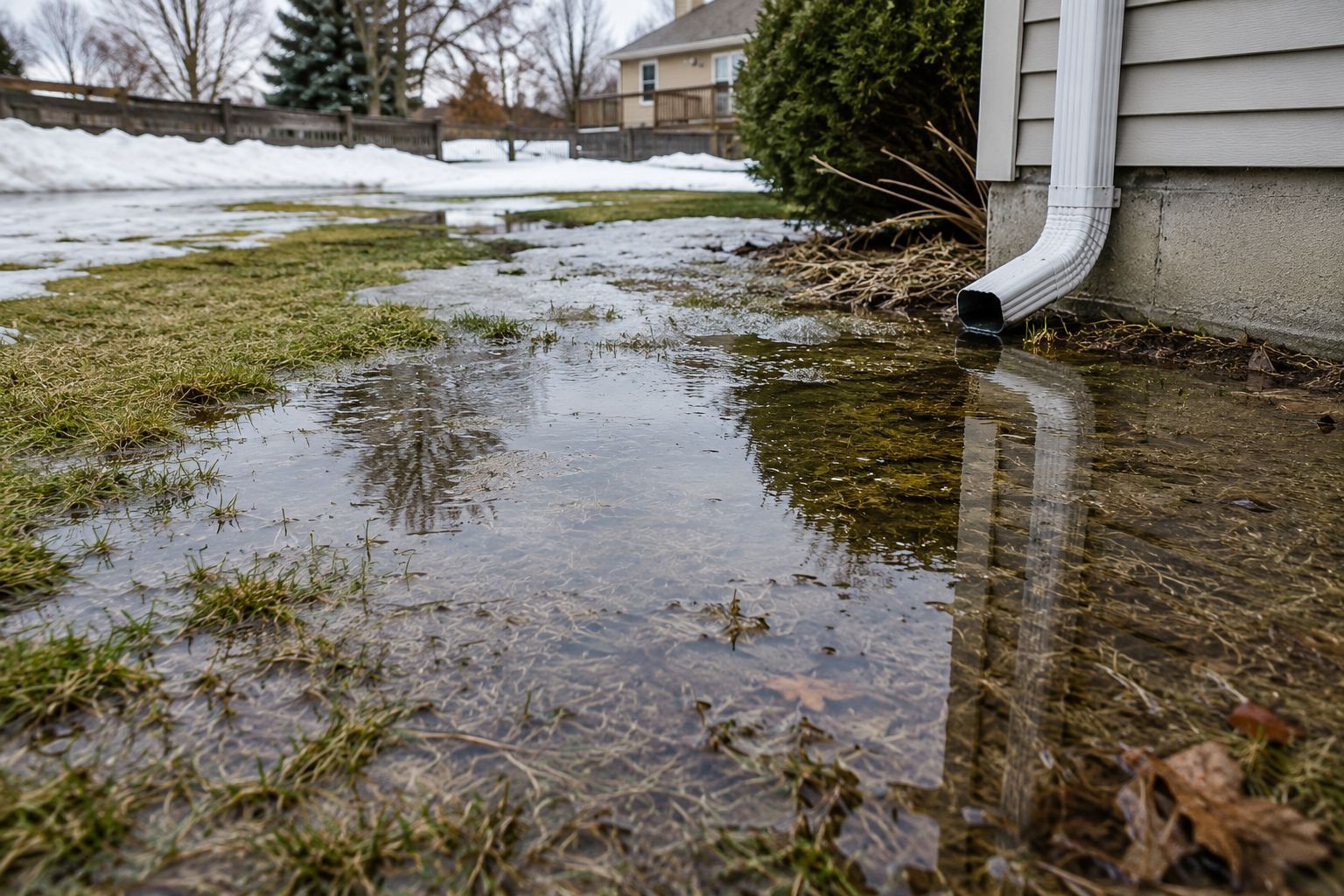
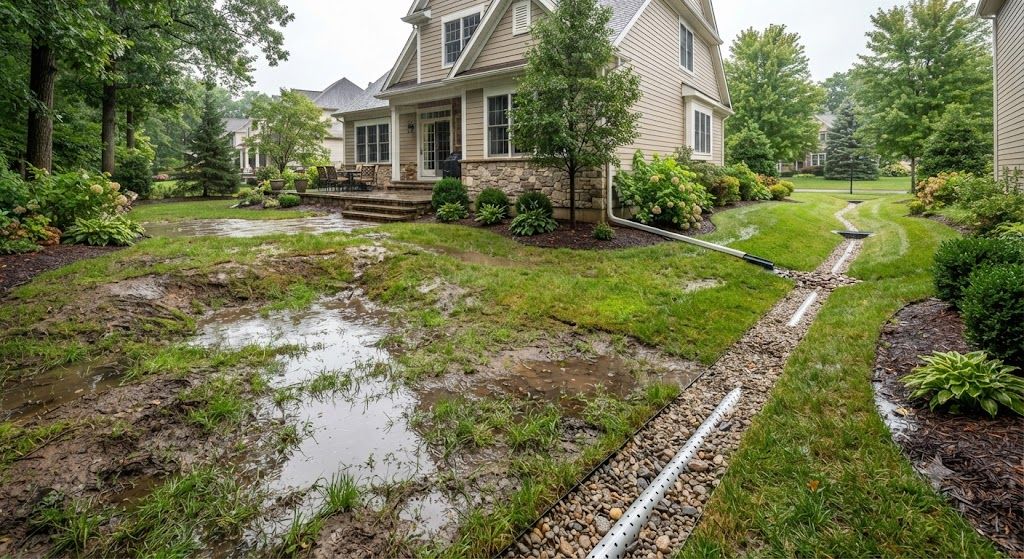
Soil compaction is often overlooked but can have devastating effects on lawn health and appearance. Signs include slow drainage, water pooling, hard or uneven ground, and shallow root systems that fail to grow deeply. Compacted soil limits oxygen and nutrient movement, restricting grass growth and increasing vulnerability to environmental and seasonal stressors.
Causes and Consequences
Frequent foot traffic, heavy equipment, and natural settling contribute to soil compaction over time. Lawns with clay-heavy soils are particularly susceptible to this issue. Compacted soil leads to poor root development, leaving grass weak, thin, and prone to diseases. Over time, lawns may fail to recover without proper intervention, resulting in persistent bare spots and unsightly patches.
Solutions for Healthy Soil
Aeration is the most effective method for relieving compaction and improving lawn health. Combining aeration with topdressing—applying a thin layer of nutrient-rich soil—improves soil structure and supports robust growth consistently. Proper irrigation practices prevent further compaction and encourage deeper root development, creating a resilient foundation for long-term lawn health and vibrant appearance.
5. Pest Infestations and Disease Symptoms
Detecting Early Signs
Insects, grubs, and fungal diseases are common threats that compromise lawn vitality and aesthetics. Early signs include wilting, chewed or thinning grass blades, irregular brown patches, and small mounds of soil indicating insect activity. Detecting these indicators early prevents widespread damage and costly remediation efforts for property owners.
Understanding the Risks
Pest infestations weaken grass by feeding on roots or foliage, reducing its ability to absorb water and nutrients efficiently. Fungal diseases spread quickly in damp conditions, often leaving circular brown patches and sporadic discoloration. Environmental stress such as excessive moisture, shade, or poor airflow can exacerbate disease development, further threatening turf resilience and health.
Proactive Interventions
Integrated pest management combines monitoring, preventive care, and targeted treatment to restore lawn health. Natural predators, beneficial nematodes, and carefully applied pesticides control insect populations without disrupting the ecosystem. Fungal infections respond to appropriate fungicides, improved drainage, and proper mowing practices. Prompt action prevents minor infestations from escalating into severe damage that compromises entire lawns permanently.
6. Excessive Thatch and Poor Root Development
Identifying Thatch Build-Up
Thatch is a dense layer of organic matter between soil and grass blades. While a thin layer is natural, excessive thatch prevents water, air, and nutrients from reaching the roots effectively. Signs include spongy ground, poor drainage, and weakened grass that fails to thrive despite proper care, ultimately reducing lawn resilience.
Causes of Thatch
Over-fertilization, improper mowing, and certain grass types contribute to thatch accumulation. A thick thatch layer fosters pests, encourages fungal growth, and hinders seed germination. Without intervention, grass struggles to develop strong roots, making it less resilient to stress, drought, and disease over extended periods.
Solutions for Thatch Management
Dethatching, performed using specialized equipment or manual rakes, removes excess organic matter and restores nutrient flow efficiently. Aeration complements dethatching by promoting root development and soil health simultaneously. Maintaining consistent mowing and balanced fertilization prevents future thatch buildup, ensuring a robust and sustainable lawn ecosystem that thrives year after year.
Dependable Lawn Care Specialists Enhancing Outdoor Aesthetics
Recognizing the early signs that a lawn requires expert care is essential for maintaining a healthy, vibrant, and resilient outdoor space. Uneven growth, discoloration, persistent weeds, soil compaction, pest infestations, and excessive thatch each signal underlying issues that, if left unaddressed, can escalate into costly and time-consuming problems. Timely intervention ensures that the lawn remains aesthetically pleasing while performing its ecological and functional roles effectively. Proactive observation and preventive measures not only protect the lawn’s beauty but also enhance its long-term durability, allowing outdoor spaces to remain enjoyable and well-maintained throughout the year.
At Braidich Landscaping, over 9
years of experience in Silver Creek, New York, has honed expertise in transforming struggling lawns into thriving landscapes. Offering comprehensive landscape design services, the focus is on proactive care, precise interventions, and sustainable maintenance strategies that keep lawns healthy year-round. With a commitment to quality, precision, and client satisfaction, Braidich Landscaping
delivers reliable solutions backed by professional insight and proven results. Leveraging advanced techniques and deep local knowledge ensures lawns remain resilient against seasonal challenges, pests, and environmental stressors. Entrusting
lawn care
to seasoned experts ensures every property achieves its full aesthetic and functional potential, creating spaces that are both beautiful and enduring while enhancing overall property value.