
How to Choose the Right Materials for Your Hardscape Project?
June 8, 2026
Hardscape features form the foundation of outdoor living spaces, providing structure, functionality, and visual appeal that complement landscaping elements. From patios and walkways to retaining walls, driveways, fire pits, and outdoor kitchens, hardscaping plays a significant role in enhancing property value and usability. However, the success of any hardscape project depends heavily on selecting the right materials. The choice of materials influences not only the appearance of the finished space but also its durability, maintenance requirements, safety, and long-term performance. With a wide range of options available, including natural stone, concrete pavers, brick, gravel, and porcelain products, property owners must carefully evaluate their needs before making a decision.
Choosing hardscape materials involves more than selecting a style that looks attractive. Factors such as climate conditions, intended use, budget, drainage requirements, installation complexity, and maintenance expectations all contribute to determining the most suitable option. A material that performs exceptionally well in one environment may not be ideal for another. Understanding the strengths, limitations, and applications of different materials helps prevent costly mistakes and ensures lasting results. By evaluating key considerations and comparing available options, property owners can make informed decisions that support both aesthetic goals and practical needs while creating outdoor spaces designed to stand the test of time.
Understanding the Purpose of Your Hardscape Project
Identifying Functional Requirements
Before selecting materials, it is important to clearly define the purpose of the hardscape feature. Different outdoor structures require materials with specific performance characteristics. A driveway must withstand vehicle traffic and heavy loads, while a patio primarily supports foot traffic and outdoor furniture. Retaining walls require structural strength, whereas decorative pathways may prioritize aesthetics and texture.
Understanding how the space will be used helps narrow material choices. For example, natural stone may provide an elegant appearance for patios and garden pathways, while concrete pavers may offer greater flexibility and load-bearing capacity for driveways.
Property owners should also consider future use. A patio designed for occasional gatherings may require different materials than one intended for frequent entertaining, outdoor cooking, and year-round use.
Balancing Aesthetics and Performance
Visual appeal is often one of the first considerations during material selection. However, appearance should never outweigh performance requirements. The most attractive material may not always be the most practical option for a particular project.
A successful hardscape design balances beauty and functionality. Color, texture, shape, and pattern should complement the property's architecture while meeting durability expectations. When aesthetics and performance work together, the result is a cohesive outdoor space that remains attractive and functional for years.
Considering Property Layout
Every property presents unique design opportunities and challenges. Slope, drainage patterns, soil conditions, and available space influence which materials are most appropriate.
For example, permeable pavers may help manage drainage on properties prone to water accumulation, while retaining wall blocks may be necessary for sloped landscapes. Evaluating site conditions early in the planning process helps ensure material choices align with environmental requirements.
Comparing Popular Hardscape Material Options
Natural Stone
Natural stone remains one of the most sought-after hardscape materials due to its timeless appearance and exceptional durability. Popular choices include flagstone, bluestone, limestone, granite, and sandstone.
- Benefits of natural stone include:
- Unique patterns and textures
- Long lifespan
- High resistance to weather exposure
- Increased property value
Natural stone works particularly well for patios, walkways, pool surrounds, and retaining walls. However, installation costs can be higher due to material pricing and labor requirements.
A homeowner seeking a premium outdoor entertainment space may choose natural stone because of its elegant appearance and ability to blend with surrounding landscapes.
Concrete Pavers
Concrete pavers offer versatility, affordability, and design flexibility. Available in numerous colors, shapes, and textures, pavers can mimic the appearance of natural stone while remaining budget-friendly.
Advantages include:
- Easy repairs and replacements
- Strong load-bearing capacity
- Variety of design options
- Consistent manufacturing quality
Because individual units can be replaced when damaged, pavers provide a practical long-term solution for driveways, patios, and walkways.
Brick
Brick has remained a popular hardscape material for generations. Its classic appearance complements traditional, historic, and modern architectural styles.
Benefits include:
- Timeless visual appeal
- Strong durability
- Slip-resistant surface
- Environmentally friendly composition
Brick works particularly well for pathways, patios, and decorative features. While color options may be more limited compared to pavers, many property owners appreciate its authentic character.
Gravel and Crushed Stone
Gravel offers an economical solution for pathways, garden areas, and informal outdoor spaces. It provides excellent drainage and can be installed relatively quickly.
Common applications include:
- Garden paths
- Driveways
- Decorative borders
- Seating areas
Although gravel requires periodic replenishment and maintenance, it remains a practical option for many landscape designs.
Evaluating Climate and Environmental Conditions
Understanding Weather Impact
Climate plays a major role in determining material performance. Temperature fluctuations, rainfall, snow, ice, and UV exposure affect how hardscape materials age over time.
Materials that perform well in dry climates may experience challenges in regions with freeze-thaw cycles. Water penetration followed by freezing can cause cracking, shifting, and surface damage.
When selecting materials, property owners should consider local weather patterns and choose products specifically suited for regional conditions.
Managing Moisture and Drainage
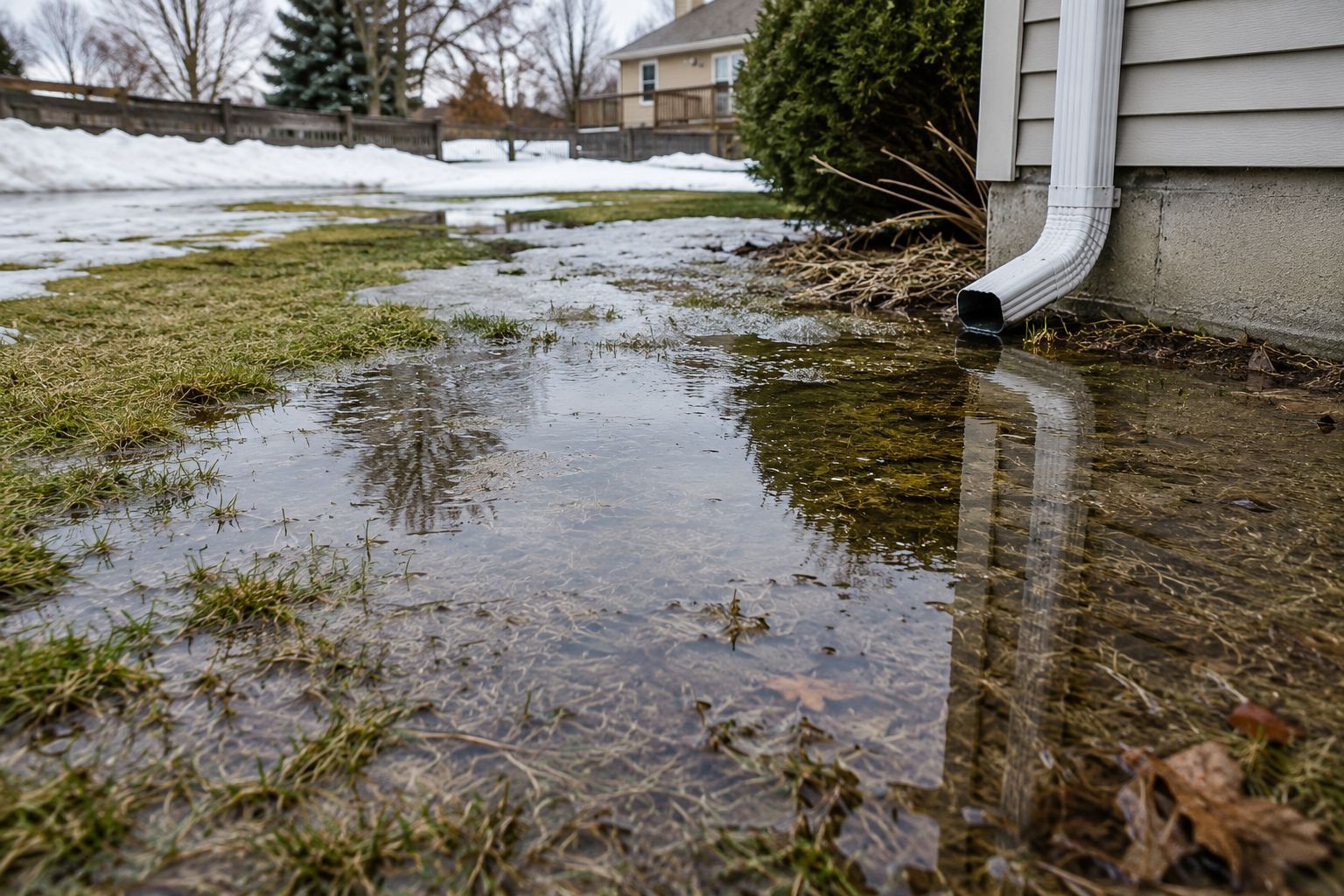
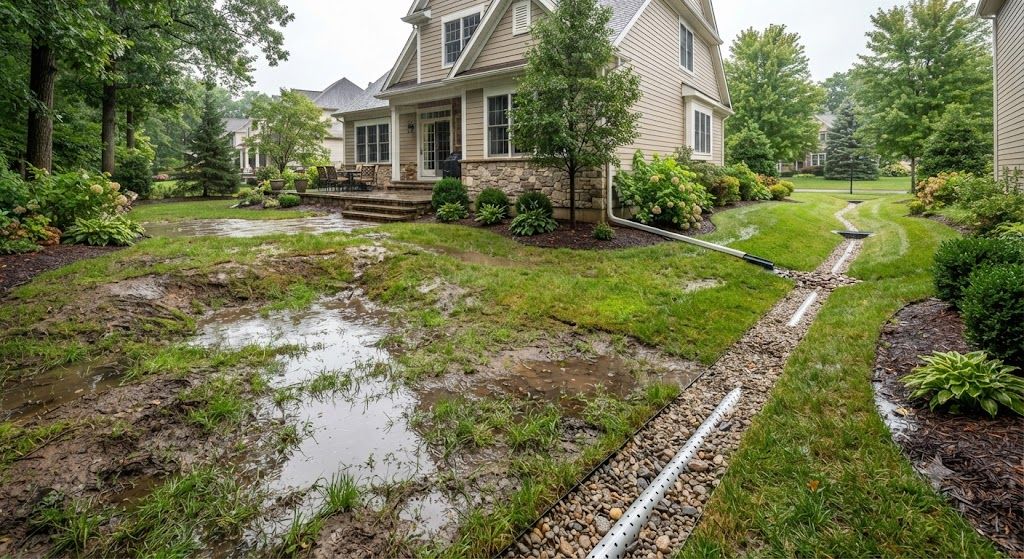
Poor drainage is one of the leading causes of hardscape failure. Water accumulation can weaken foundations, erode base materials, and damage surface finishes.
Permeable materials allow water to infiltrate the ground, reducing runoff and minimizing drainage issues. Proper base preparation and grading also contribute to long-term performance.
For example, permeable pavers may be particularly beneficial in areas experiencing frequent rainfall because they help control stormwater while maintaining a stable surface.
UV and Sun Exposure
Constant exposure to sunlight can affect color retention and surface integrity. Some materials are more resistant to fading than others.
Natural stone often maintains its appearance for decades, while certain manufactured products may experience gradual color changes over time. Selecting UV-resistant materials helps preserve the appearance of outdoor spaces.
Environmental Sustainability Considerations
Many property owners prioritize environmentally responsible construction practices. Sustainable hardscape materials may include:
- Recycled concrete products
- Locally sourced stone
- Permeable paving systems
- Reclaimed brick materials
Choosing environmentally conscious materials can reduce environmental impact while supporting long-term sustainability goals.
Matching Materials to Design Style and Outdoor Features
Creating Visual Harmony
Hardscape materials should complement the overall design of the property. Coordinating colors, textures, and finishes with existing architectural features creates a unified appearance.
For example:
- Rustic homes often pair well with natural stone.
- Traditional properties frequently incorporate brick.
- Contemporary designs may feature large-format pavers or porcelain surfaces.
Material selection should support the property's overall aesthetic rather than compete with it.
Combining Multiple Materials
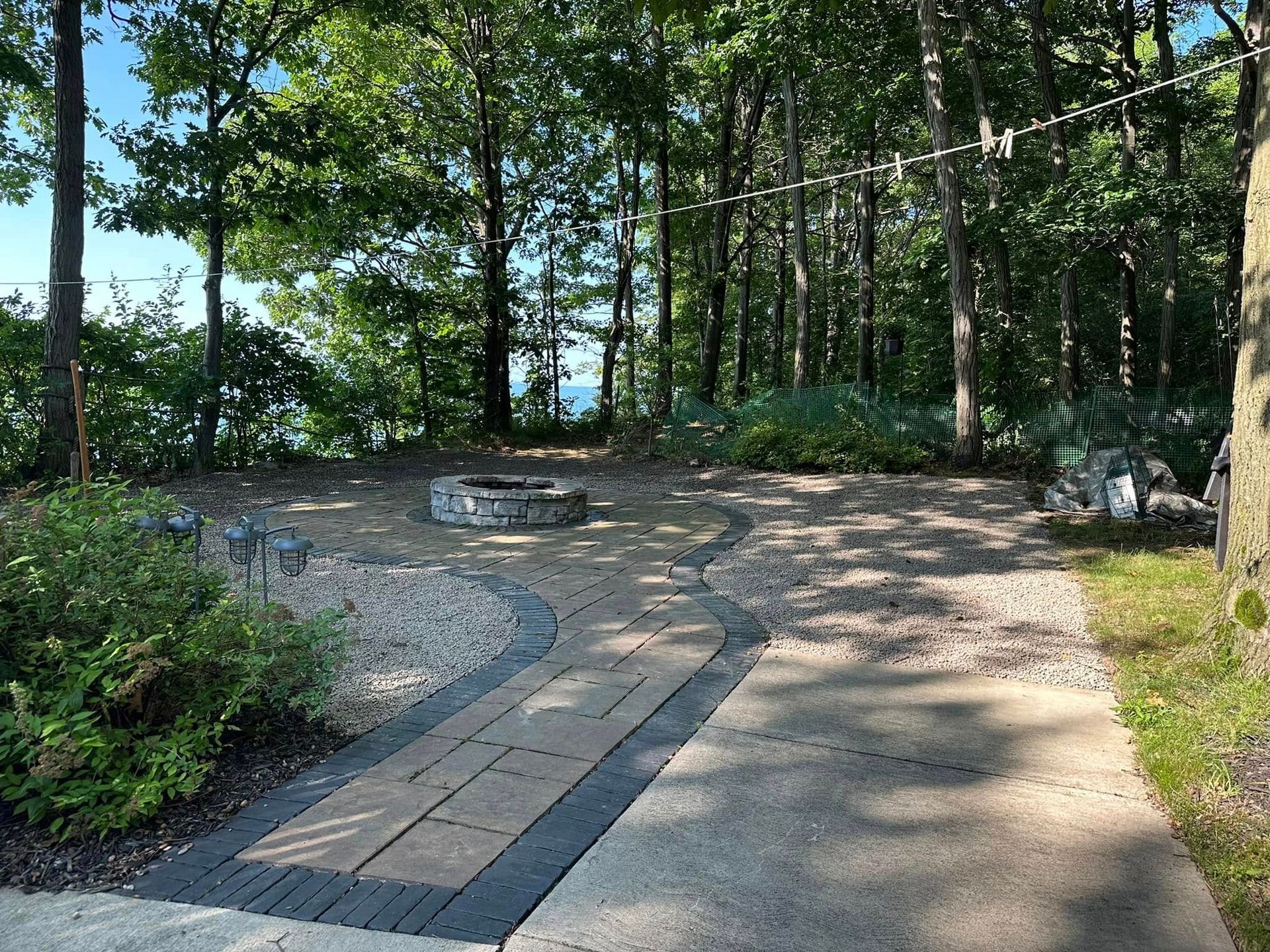
Many successful hardscape projects incorporate more than one material. Combining materials can create visual interest while improving functionality.
Examples include:
- Stone patios with brick borders
- Concrete pavers paired with decorative gravel
- Retaining walls combined with natural stone accents
Strategic material combinations allow designers to highlight focal points and create distinct outdoor zones.
Safety and Accessibility Considerations
Material selection also affects safety and accessibility. Slip resistance is particularly important around pools, outdoor kitchens, and frequently used walkways.
Surface texture, joint spacing, and elevation transitions should all contribute to safe navigation throughout the property.
Families with children, older adults, or frequent visitors may prioritize smooth, stable surfaces that reduce tripping hazards while maintaining visual appeal.
Planning for Future Improvements
Outdoor spaces often evolve over time. Property owners may eventually add features such as fire pits, pergolas, outdoor kitchens, or expanded seating areas.
Selecting versatile materials allows future additions to integrate seamlessly with existing hardscape elements. Long-term planning helps preserve design consistency while simplifying future upgrades.
Working with Professionals to Make Informed Decisions
Leveraging Industry Expertise
Professional guidance can significantly improve material selection decisions. Experienced hardscape professionals understand product performance, installation requirements, local climate considerations, and design compatibility.
Consulting with qualified experts helps property owners avoid costly mistakes and identify materials best suited to their goals.
Reviewing Samples and Mockups
Material samples provide valuable insight into color, texture, and overall appearance. Viewing materials under natural lighting conditions helps ensure expectations align with actual results.
Many professionals also provide design renderings or mockups that allow property owners to visualize completed projects before installation begins.
Ensuring Proper Installation Compatibility
Even the highest-quality materials can fail if installed improperly. Certain products require specialized installation techniques, base preparation methods, and drainage systems.
Selecting materials that align with installation requirements and site conditions contributes to long-term success.
Prioritizing Long-Term Value
The best material choice is not necessarily the least expensive or the most luxurious. Instead, it is the option that balances aesthetics, durability, maintenance requirements, environmental conditions, and budget considerations.
A thoughtful approach to material selection creates outdoor spaces that remain attractive, functional, and valuable for many years.
Trusted Landscape Design Solutions for Exceptional Outdoor Spaces
When planning a hardscape project, partnering with experienced professionals can make a significant difference in both the design process and the final result. At Braidich Landscaping, we bring 9 years of experience as a trusted landscape designer serving Silver Creek, New York. Our approach focuses on helping property owners select materials that balance beauty, durability, functionality, and long-term value while supporting the unique characteristics of each outdoor space.
Whether the goal is enhancing curb appeal, improving usability, or creating a complete outdoor transformation, we provide knowledgeable support throughout every stage of the process. With a strong reputation built on experience, attention to detail, and customer-focused service, we remain a dependable resource for property owners seeking lasting hardscape solutions in Silver Creek and the surrounding area.